Mesh vs Leather Office Chairs: Which Is Right for Your Workspace in 2026?
Sarah Chen breaks down mesh vs leather office chairs — breathability, durability, ergonomics, and which material fits your work style and budget in 2026.
Updated
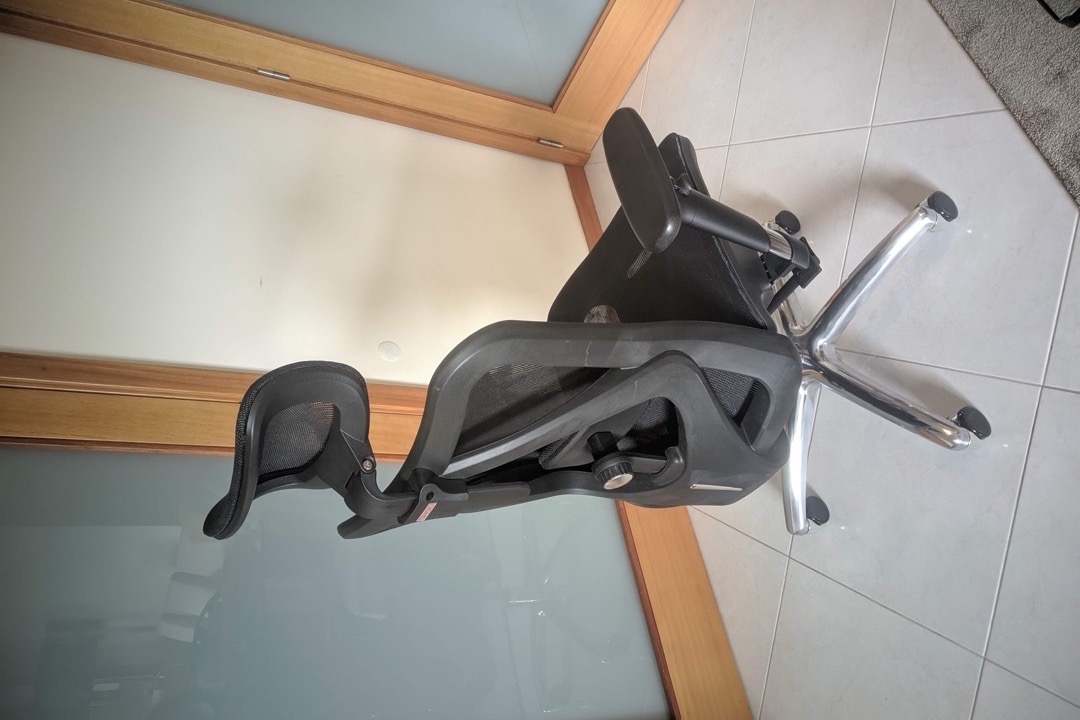
The short answer: choose mesh if you work long hours, run warm, or prioritize ergonomic adjustability. Choose genuine leather if you conduct frequent video calls, work in a climate-controlled environment, and want a formal executive aesthetic. Avoid bonded leather at any price — it peels within two years regardless of how well you care for it.
That said, the decision involves more nuance than any one-line verdict captures. I have configured office setups for administrative teams, individual home offices, and bulk procurement environments over the past several years, and the choice between mesh and leather comes down to a specific set of variables that most comparisons gloss over. This guide covers all of them.
For specific product recommendations in both categories, our roundup of the best office chairs covers the top mesh and leather picks with current pricing and verified ratings.
At a Glance: Mesh vs Leather Comparison
| Factor | Mesh | Genuine Leather | Bonded Leather |
|---|---|---|---|
| Breathability | Excellent — air flows through | Poor — heat builds at contact points | Poor |
| Durability | 8–12 years typical | 10–15 years with care | 1.5–2.5 years before peeling |
| Ergonomic options | Wide — most premium ergonomic chairs are mesh | Limited | Limited |
| Maintenance | Minimal — vacuum and wipe | Moderate — condition every 6–12 months | Moderate — and it still peels |
| Video call appearance | Modern/casual to business-casual | Formal, executive | Formal (until it peels) |
| Cold weather comfort | Can feel cold in winter | Warm, supple | Warm initially |
| Cleaning spills | Blot and dry — stains are harder to remove | Wipe clean easily | Wipe clean |
| Best for | Long sessions, warm offices, back pain | Video calls, cool offices, executive aesthetics | Not recommended |
Mesh Chairs: Breathability, Ergonomics, and the Cold-Weather Problem
Mesh office chairs have become the default recommendation for ergonomic seating in most office contexts, and for good reason. The open-weave fabric allows air to circulate through the backrest continuously, which means your back does not trap heat and moisture the way it does against solid upholstery. For anyone working six or more hours per day in a seated position, this is a meaningful comfort advantage that accumulates over the course of a full workday.
The ergonomic chair market has concentrated most of its engineering investment in mesh designs. When you look at chairs with fully adjustable lumbar support systems, multi-directional armrests, seat depth sliders, forward tilt adjustment, and recline tension control, the vast majority are mesh. This is not coincidence — the ergonomic chair segment developed alongside the mesh category, and the two evolved together. The best mesh chairs offer a degree of adjustability that most leather chairs simply do not match, which is why our best office chairs roundup is dominated by mesh designs.
The Cold-Weather Drawback Nobody Mentions
There is one genuine disadvantage to mesh that most chair comparisons skip entirely: mesh chairs can feel cold in winter, particularly during the first few minutes of sitting. The same breathability that keeps you cool in summer allows cold air to reach your back in winter. In a well-heated office this is not a meaningful issue — you warm up within a few minutes. But in a home office where the heat is on a schedule, or in a building with aggressive winter air conditioning, the initial chill can be noticeable. If you work in a consistently cold environment, a leather chair or a mesh chair with a padded seat and lumbar cushion may be more comfortable during cold months.
Mesh and Body Type
Mesh chairs accommodate a wide range of body types well, but fit matters more with mesh than with cushioned leather. A mesh backrest that is too tall or too wide will not contour properly to smaller frames. Petite users — typically under 5’4” — should specifically look for chairs with adjustable lumbar height and a narrower backrest width. Plus-size users should verify the seat width, seat capacity rating, and armrest span before purchasing. Most standard office chairs are rated for users up to 250–275 lbs; heavy-duty options rated to 400 lbs and above exist in both mesh and leather categories.
Leather Chairs: Executive Aesthetics, and the Bonded Leather Warning
Genuine leather office chairs carry a specific set of advantages that are real and worth considering honestly. Leather is easy to wipe clean — a damp cloth removes most spills in seconds, with no risk of the spill wicking through to padding. This makes leather the more practical choice in environments where food and drinks are common near the workspace. Leather also softens and develops a patina with use, improving tactilely over years of ownership when properly maintained.
The formal, substantial aesthetic of a leather executive chair is also a legitimate factor for anyone in a client-facing or leadership role who spends significant time on video calls. The visual read of a leather chair on camera conveys authority and professional polish in a way that most mesh chairs do not replicate. For senior managers, executives, attorneys, financial advisors, and others whose video presence carries professional weight, this consideration is real — not vanity. Pair a leather chair with a thoughtful desk setup (the best desk lamps make a significant difference in how professional your video background appears) and the visual standard is noticeably elevated.
The Bonded Leather Peeling Problem
This is the most important thing you need to know about leather office chairs, and fewer than half of the comparison guides I reviewed mention it at all.
The vast majority of “leather” office chairs at mid-range and budget price points are not made from genuine leather. They use bonded leather — a composite material made from shredded leather scraps and fibers bound together with polyurethane adhesive and applied to a fabric backing. It looks and feels like leather when new. The problem is the polyurethane binder.
With repeated flexing, temperature cycling, exposure to body oils, and basic wear, the bond between the PU layer and the backing material breaks down. Peeling typically begins at the highest-stress contact points — the seat edge where legs press against the chair, and the upper backrest where shoulders flex the material during movement. Once peeling starts, it accelerates. Within six months of the first peel, most bonded leather chairs look visibly deteriorated.
This degradation typically begins within 18 to 24 months of regular use. There is no effective repair — the underlying cause is material failure, not surface damage. You can apply leather conditioner faithfully and the chair will still peel on schedule.
Labels to avoid: “bonded leather,” “PU leather,” “leather match,” “bycast leather,” “reconstituted leather.” Labels that indicate genuine leather: “full-grain leather,” “top-grain leather,” “genuine leather” (this one is ambiguous and sometimes applied to bonded leather by less scrupulous manufacturers — verify with the product description). When in doubt, contact the manufacturer directly and ask what percentage of the upholstery is genuine animal hide.
Head-to-Head: Six Factors
Breathability
Mesh wins decisively. The open weave allows continuous air circulation. Leather (genuine or bonded) creates a sealed contact surface — no airflow, heat and moisture accumulate. In a warm home office without consistent air conditioning, the difference in comfort during a long work session is pronounced.
Ergonomic Adjustability
Mesh wins by breadth of available options. The best-engineered ergonomic chairs — with adjustable lumbar height and depth, 4-way armrests, seat depth sliders, and multi-axis recline — are predominantly mesh. This reflects where the ergonomic chair industry has focused its R&D. Quality leather chairs typically offer seat height and basic recline adjustment; they rarely match the adjustability of premium mesh designs.
Durability
Genuine leather wins over the full ownership horizon — a well-maintained genuine leather chair can outlast a mesh chair. Mesh wins comfortably against bonded leather. Mesh also wins in low-maintenance scenarios where conditioning and care are unlikely to be performed consistently.
Maintenance
Mesh wins for ease of routine care. Spills require blotting and drying; the chair needs periodic vacuuming and a wipe-down of frame surfaces. Genuine leather requires quarterly or semi-annual conditioning, immediate blotting of spills, and protection from direct sunlight. Bonded leather requires the same effort with none of the durability payoff.
Video Call Appearance
Leather wins for formal professional contexts. An executive leather chair in a dark finish communicates authority on camera in a way that most mesh chairs do not replicate. Mesh chairs are appropriate and professional in most work contexts, but for roles where the visual impression carries professional stakes — leadership positions, client-facing roles, televised appearances — leather reads more formally. If you participate in video calls from home daily and the impression you make matters professionally, factor this in. Combining your chair with a good lighting setup and the best monitor stands for proper screen height further elevates your on-camera presence.
Cold Weather Comfort
Leather wins in cold environments. Mesh allows cold air to pass through to your back; leather retains warmth and feels comfortable immediately even in cold rooms. This advantage reverses completely in warm environments — the same thermal properties that feel comfortable in winter feel stifling in summer.
The Hybrid Option: Mesh Back, Leather (or Cushioned) Seat
A growing segment of the office chair market offers a hybrid construction: mesh back panel with a leather-upholstered or heavily padded foam seat. This design attempts to capture the breathability advantage of mesh — where back heat buildup is most problematic — while providing the cushioned feel and easy-clean properties of a leather seat.
For buyers who want the ergonomic airflow benefit of mesh but find the flat mesh seat panel of pure mesh chairs less comfortable than a padded seat, hybrids are worth evaluating. They tend to be priced in the mid-to-upper range and are available from both mainstream office furniture brands and ergonomic specialists.
The trade-off: hybrid chairs inherit the maintenance requirements of leather for the seat portion. If the seat is bonded leather, it will peel. Verify the seat upholstery material as carefully as you would a full leather chair. Mesh-back chairs with genuine leather or high-quality PU fabric seats represent a reasonable best-of-both compromise for buyers who cannot decide.
Which Should You Choose? Five Scenarios
Scenario 1 — The all-day remote worker in a warm home office. You work 8+ hours per day, your home office lacks consistent air conditioning in spring and summer, and ergonomic support is your top priority. Choose mesh, specifically a chair with adjustable lumbar support and multi-way armrests. The breathability will be noticeable every day.
Scenario 2 — The executive or senior manager on daily video calls. You spend significant time in client-facing or internal leadership video calls, your office is climate-controlled, and professional visual presence on camera matters in your role. Choose genuine leather — specifically, verify that it is genuine leather, not bonded. Pair it with good lighting and the right camera angle.
Scenario 3 — The budget-conscious buyer furnishing a first home office. You want a functional chair that will last three to five years without significant maintenance. Choose mesh. The entry tier of the mesh market offers better value and longer lifespan than the entry tier of the leather market, where bonded leather dominates. See our best office chairs guide for picks that deliver genuine ergonomic value without overspending.
Scenario 4 — The user with chronic lower back pain. You have documented back issues and need a chair with genuine ergonomic engineering — adjustable lumbar, seat depth, recline tension, and proper armrest positioning. Choose mesh. The chairs with the most comprehensive adjustability are overwhelmingly mesh. If you qualify for HSA/FSA reimbursement with a Letter of Medical Necessity, the premium ergonomic mesh tier becomes more financially accessible (see HSA/FSA section below). Pair with a well-positioned ergonomic keyboard to address the full upper-body chain.
Scenario 5 — The corporate office buyer or office manager purchasing in bulk. You are outfitting a shared workspace and need durability, presentability, and manageable maintenance across multiple units. Choose mesh. It requires no conditioning schedule, tolerates a range of user sizes, looks professional across different office aesthetics, and does not develop the visible peeling problem that causes bonded leather chairs to look shabby in high-turnover environments. For standing desk integration in the office, pairing quality chairs with the right desks is covered in our best standing desks guide.
HSA/FSA Eligibility for Ergonomic Office Chairs
This is a section that essentially no competitor guide covers, and it can meaningfully change the financial calculus for buyers with qualifying conditions.
Ergonomic office chairs — both mesh and leather — can qualify for reimbursement through a Health Savings Account (HSA) or Flexible Spending Account (FSA), but only with a Letter of Medical Necessity (LMN) from a licensed healthcare provider. The IRS does not include ergonomic chairs on its pre-approved medical expense list, so the LMN is the required bridge between a wellness purchase and a qualified medical expense.
Medical conditions that commonly support an LMN for an ergonomic chair:
- Chronic low back pain (including lumbar disc disease, herniated discs, and spondylosis)
- Sciatica or lumbar radiculopathy
- Scoliosis or structural spine conditions
- Post-surgical recovery requiring positioning support
- Musculoskeletal disorders where standard seating is medically documented as harmful
- Certain autoimmune conditions affecting joints and connective tissue
The LMN must specifically name the condition, explain why the ergonomic chair is medically necessary for treatment, and ideally reference the specific type of chair features required (lumbar support, adjustable armrests, seat depth adjustment). A general note saying “patient needs a better chair” is typically insufficient.
Practical steps if you believe you qualify:
- Speak with your treating physician, physical therapist, or orthopedic specialist. Frame the request around your specific diagnosis, not general discomfort.
- Ask the provider to document the medical necessity in writing with their practice letterhead, your diagnosis code, and specific chair feature requirements.
- Contact your HSA/FSA plan administrator before purchasing to confirm acceptance criteria and whether pre-authorization is required.
- Keep the LMN, your receipt, and the product description on file in case of audit.
For buyers purchasing a chair in the mid-to-premium price range, HSA/FSA eligibility can reduce the effective out-of-pocket cost by 20 to 37%, depending on your marginal tax rate and HSA contribution level. On a premium ergonomic mesh chair, this is a material savings that makes the upgrade tier financially competitive with the mid-range.
Care and Maintenance
Caring for a Mesh Chair
Mesh chairs require minimal upkeep. Vacuum the mesh panel periodically — monthly is sufficient for most users — using the brush attachment on a vacuum to remove dust and debris from the weave. Wipe down the frame, armrests, and seat pan with a damp microfiber cloth every few weeks. For stubborn marks on the mesh itself, a diluted mild detergent solution applied with a soft cloth and allowed to air dry is effective. Avoid soaking the mesh; it is more absorbent than leather and dries more slowly. Keep the chair away from prolonged direct sunlight, which can weaken mesh fibers over time.
Caring for a Genuine Leather Chair
Genuine leather chairs require a conditioning routine to remain supple and crack-resistant. Apply a quality leather conditioner every six to twelve months — more frequently if the chair is in direct sunlight or a dry environment. Wipe spills immediately with a dry cloth, blotting rather than rubbing. For cleaning, use a leather-safe cleaner (diluted castile soap or a commercial leather cleaner) on a damp cloth, followed by conditioning. Keep genuine leather out of direct sunlight, which accelerates drying and cracking, and away from heat vents.
Regarding Bonded Leather
Bonded leather requires the same care regimen as genuine leather, and it will still peel. No conditioning protocol prevents the adhesive bond failure that causes peeling — it is a manufacturing limitation, not a maintenance failure. If your current chair is peeling, it is bonded leather. No amount of conditioning will restore it.
Final Verdict
For the majority of people setting up a home office or private workspace in 2026, mesh is the right choice. The ergonomic engineering, the breathability across variable seasons, the low maintenance requirements, and the sheer breadth of well-designed options at every price point make mesh the more practical and durable investment for most scenarios. Our detailed picks are in the best office chairs guide — every recommendation there has been vetted for ASIN validity and current pricing.
Genuine leather is the right choice for a specific, real set of circumstances: a climate-controlled environment, a role where video call appearance carries professional weight, and a buyer who will follow a conditioning schedule and verify they are getting genuine leather (not bonded). For those buyers, a well-chosen genuine leather chair is a durable and visually compelling workspace anchor.
Bonded leather belongs in neither column. Avoid it regardless of price.
Whatever material you choose, pair your chair with the rest of a properly configured workstation: screen height managed with a monitor stand, and input devices positioned for neutral wrist posture with a quality ergonomic keyboard. The chair is the foundation, but the full ergonomic setup is what delivers lasting comfort.
Buyer's Guide
The right chair material depends on your climate, your work hours, your office's visual context, and how long you plan to own the chair. Here are the six factors that matter most.
Climate and Ventilation
This is the single most decisive factor for most buyers. If your workspace runs warm or lacks consistent air conditioning, mesh is the clear choice — it allows air to circulate through the backrest and reduces heat and moisture buildup during long sessions. If you work in a well-cooled office environment and rarely experience discomfort from heat, leather is a viable option. Honest self-assessment of your actual work environment matters more than general recommendations.
Expected Ownership Duration
If you plan to use the chair for more than three years, genuine leather or mesh are both sound choices — bonded leather is not. Bonded leather typically begins peeling within 18 to 24 months, making it a poor long-term investment despite lower upfront cost. Mesh chairs maintain their appearance and function well for 8 to 12 years with normal use. Genuine leather chairs with regular conditioning can last 10 to 15 years. If you are outfitting a home office for the next decade, eliminate bonded leather from consideration entirely.
Professional Appearance and Camera Context
For anyone who appears on video calls regularly — which now includes the majority of knowledge workers — chair appearance on camera is a legitimate consideration. Leather chairs, particularly executive-style designs, project a more formal and polished professional image on video. Mesh chairs can look modern and intentional or slightly casual depending on the design. If you conduct client calls, board meetings, or executive video conferences from home, a leather or hybrid chair may better match the visual standard expected in your role.
Ergonomic Adjustability Requirements
Mesh chairs lead this category because the ergonomic chair market has historically concentrated engineering investment in mesh designs. The highest-rated ergonomic chairs — those with 4-way adjustable lumbar support, multi-dimensional armrests, seat depth adjustment, and recline tension control — are predominantly mesh. If you have specific ergonomic requirements driven by back pain, a diagnosed condition, or long daily sitting hours, the mesh category offers a wider selection of well-engineered options.
Maintenance and Upkeep
Mesh chairs require minimal maintenance — periodic vacuuming of the mesh to remove dust and occasional wipe-down of the frame and armrests. Genuine leather chairs require conditioning every 6 to 12 months to prevent drying and cracking, prompt blotting of spills to prevent staining, and protection from direct sunlight which accelerates aging. Bonded leather requires the same maintenance as genuine leather with none of the durability. For low-maintenance buyers who want to set it and forget it, mesh is the more forgiving choice.
Budget and Value Trajectory
At the low end of the market, the difference in price between mesh and leather chairs of comparable construction quality is modest. At the mid-range and premium tiers, mesh chairs from ergonomic-focused brands represent better long-term value — you are paying for engineering and adjustability, not material cost. Leather chairs at the premium tier are often priced for executive aesthetics as much as ergonomic function. The worst value proposition in the category is bonded leather at any price point — it combines the maintenance requirements of leather with a 2-year functional lifespan.
Frequently Asked Questions
Is mesh or leather better for back pain?
How long does a mesh office chair last compared to leather?
Do leather office chairs get too hot?
What is bonded leather and why does it peel?
Are ergonomic office chairs HSA/FSA eligible?
Related Articles
About the Reviewer

Sarah Chen, CAP, PMP
B.A. Business Administration, UCLA
Sarah Chen spent 10 years in office management and operations at Fortune 500 companies before founding DeskRated in 2026. After managing supply budgets for teams of 50+ people and testing thousands of products through daily use, she started writing the honest, no-fluff supply reviews that office professionals actually need. Sarah holds both CAP and PMP certifications and is based in Los Angeles.