7 Best Colored Pencils of 2026
Sarah Chen reviews the best colored pencils for adult coloring, professional artwork, and classroom use. Compare wax-based, oil-based, and watercolor pencils by core type, lightfastness, blending, and price per pencil.
Updated
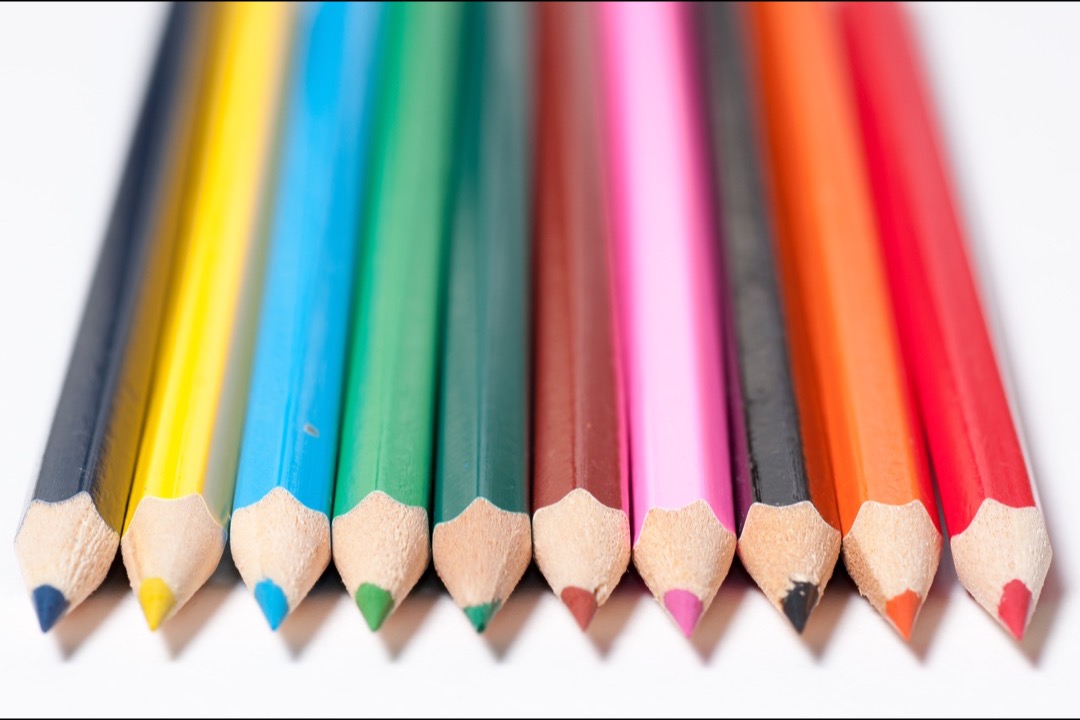
As a Certified Administrative Professional who has procured supply kits for offices, classrooms, and creative studios for over a decade, I can tell you that colored pencils sit at a uniquely difficult intersection in the office and school supply world. They span from under-seven-dollar classroom commodities that get bulk-ordered by the case to hundred-fifty-dollar professional artist sets that get inspected pencil-by-pencil on arrival. The same product category serves a kindergartener filling in a worksheet and a working illustrator producing display artwork — and almost every buying mistake I have seen comes from confusing those two extremes. The honest decision tree is shorter than most reviews suggest: figure out the binder type your actual use case demands (wax for fast color and blending, oil for archival detail), match the per-pencil price to how often you’ll resharpen, and accept that the same set is rarely right for both casual coloring and serious illustration.
For this review I evaluated seven colored pencil sets that span the full range of practical use cases, from a Crayola classroom 36-count under seven dollars to a 150-count Prismacolor Premier that has earned over 61,000 verified reviews and remains the reference standard for adult coloring and hobbyist illustration. The selection includes the wax-based household names that dominate the consumer category, the oil-based archival professional standard from Faber-Castell, the Wirecutter-validated budget alternative from Prismacolor’s Scholar line, two strong high-value wax sets from Castle Art and KALOUR, and a watercolor-pencil entry that handles dual-use dry-and-wet techniques for buyers exploring mixed media. Every ASIN was verified live on Amazon, every price and review count was confirmed against current listings, and every recommendation reflects how the product performs in the specific use case it serves rather than generic across-the-board ratings.
The colored pencil market splits cleanly along two axes that determine which set is right for you: binder type (wax versus oil) and price tier (under twenty dollars, twenty-to-fifty, and above fifty). Wax-based pencils are the right tool for adult coloring books, casual illustration, and any application where smooth blending and fast color fill matter more than archival permanence. Oil-based pencils are the standard for fine detail work, display artwork, and anything that needs to resist fading under light. Within each binder type, price tracks roughly with pigment intensity, lightfastness, and core engineering — but the value inflection point is meaningful: a Wirecutter-validated forty-dollar set genuinely outperforms a hundred-fifty-dollar set for many buyers’ actual use cases. The decision framework below should clarify which tier and binder type fit your situation, and which of these seven specific sets is the right answer.
| Product | Price | Buy |
|---|---|---|
| Prismacolor Premier Colored Pencils, Soft Core, 150 CountBest Overall | $142.99 | View on Amazon |
| Faber-Castell Polychromos Artists' Color Pencils, Tin of 120Premium Pick | $292.93 | View on Amazon |
| Prismacolor Scholar Colored Pencils, 60 CountRunner-Up | $42.41 | View on Amazon |
| Castle Art Supplies Colored Pencils Set of 72Runner-Up | $42.99 | View on Amazon |
| KALOUR 72 Count Colored Pencils for Adult Coloring, Soft CoreBudget Pick | $11.99 | View on Amazon |
| Castle Art Supplies Watercolor Pencils Set, 72 Vibrant PigmentsRunner-Up | $39.99 | View on Amazon |
| Crayola Colored Pencils, 36 Count, Kids Pencil Set, Ages 3+Runner-Up | $6.57 | View on Amazon |
Find the Best Colored Pencils for Your Need
Jump straight to the pick that matches how you actually color or draw:
How We Chose These Colored Pencils
Our selection required a minimum of 8,000 verified Amazon reviews to establish a meaningful reliability baseline, genuine use-case differentiation across all seven products (no two pencil sets serve the same primary scenario), and verified ASIN availability with current pricing. We evaluated core composition and binder type, blending and burnishing performance under varied pressure, lightfastness ratings where published, color range coverage and open-stock availability, and structural durability against shipping, sharpening, and daily-use stress. We cross-referenced our selections against Wirecutter’s October 2025 colored pencil review, JetPens editorial recommendations, and the buyer-feedback patterns on r/coloredpencils and r/AdultColoring. The Prismacolor Premier and Faber-Castell Polychromos appear in virtually every authoritative recommendation as the wax-based and oil-based reference standards, while Prismacolor Scholar earned Wirecutter’s budget pick designation against the Crayola, Castle Art, and KALOUR alternatives we also evaluated — a verdict we have since revisited on this page, because Scholar’s price has risen well past the tier that award was given for.
Best Colored Pencils Overall
Every set below is reviewed once in full, then referenced again in the use-case sections further down. Start here for the across-the-board picks — the wax-based reference standard, the oil-based archival upgrade, and the budget set that punches far above its price — then jump to the artist or kids section if you have a specific use case.
Prismacolor Premier 150ct: Best Overall for Vibrant Blending
The Prismacolor Premier 150-count earns the best-overall position because no other colored pencil in this review matches its combination of buttery wax-based laydown, full open-stock availability, and 61,000+ verified reviews of consistent satisfaction. Premier remains the reference standard for adult coloring book artists, hobbyist illustrators, and anyone whose primary work involves smooth blending and rich layered color rather than fine technical detail. The soft wax core deposits pigment in dense, vivid layers that other wax-based pencils approximate but do not equal — and in side-by-side blending tests against Castle Art, KALOUR, and Scholar, the Premier consistently produces the smoothest gradations under burnishing pressure.
The 150-color range is genuinely useful rather than marketing inflation. Where a 24-count or 36-count set forces you to mix on the page to find a specific shade, the 150-count includes multiple values within every color family — three distinct greens for foliage, four flesh tones for portraiture, multiple grays for shading. The full open-stock availability means individual pencils can be replaced as they deplete, transforming a hundred-forty-dollar set from a one-time purchase into a long-term tool that gets reloaded over years. Per-pencil lightfastness ratings printed on each barrel let you choose archival-rated colors when working on display pieces. For finished work that you want to preserve, the crayola-vs-prismacolor comparison covers the trade-offs in more depth.
The honest limitation is the soft core’s structural vulnerability. A non-trivial percentage of Premier pencils arrive with internal core breaks from retail handling — you only discover the break when sharpening reveals a crumbling tip. Mitigation is straightforward: buy from sellers with reliable return policies, store cores upright in the included foam cradle, and sharpen exclusively with a hand-crank sharpener. For users who haven’t yet adapted their habits to soft-core pencils, the Prismacolor Scholar at the budget tier is a more forgiving entry point. For users ready for the reference standard, Premier delivers what its reputation promises. Pair Premier with a quality manual sharpener — see our best pencil sharpeners review for hand-crank models that protect soft cores.

Prismacolor Premier Colored Pencils, Soft Core, 150 Count
by Prismacolor
Best overall colored pencil set — buttery wax-based blending across 150 open-stock colors and 61,000+ verified reviews make Premier the reference standard for adult coloring and hobbyist illustration.
Pros
- Ultra-smooth wax-based core deposits pigment in buttery layers that blend and burnish more cleanly than any other pencil in this review — the reason Premier remains the reference standard for adult coloring and hobbyist illustration
- 150-color range with full open-stock availability means individual pencils can be replaced as they wear down rather than rebuying entire sets — a meaningful long-term economic argument that few competitor lines match
- Per-pencil lightfastness ratings printed on the barrel let you choose archival-rated colors when working on display pieces, rather than guessing across an undocumented color range
- Pre-sharpened and supplied in a metal storage tin with foam cradle that keeps cores upright and protected from impact during normal storage
Cons
- Soft wax core is structurally vulnerable to drops, electric sharpeners, and even retail handling — a non-trivial number of pencils arrive with internal core breaks that only reveal themselves during sharpening
- Wax bloom — a hazy white film that develops on heavily layered finished work over weeks — requires periodic wiping with a soft cloth or fixative spray to control
- Cardboard tin liner is functional but less durable than the premium fabric or molded-plastic cases that some competitor sets in this price range include
Faber-Castell Polychromos 120ct: The Professional Upgrade
Polychromos is the only colored pencil in this review fully suitable for archival professional artwork — and once you understand why, it’s the obvious choice for any work meant to be displayed, framed, sold, or included in a portfolio. The oil-based binder eliminates wax bloom entirely, meaning finished drawings stay crisp and matte for decades without the hazy white film that develops on heavily layered wax-pencil work. The maximum lightfastness rating across virtually the entire 120-color range means colors resist fading under indoor light exposure for years rather than months. For artists who sell originals or build portfolios of colored pencil work, these are not luxury features — they are the baseline requirements that wax-based pencils cannot deliver at any price.
The SV-bonded core is Faber-Castell’s structural innovation, and it solves the single biggest complaint about premium colored pencils. The pigment core is bonded to the wood barrel along its full length during manufacturing, which prevents the internal core breaks that plague soft-core wax pencils during shipping and handling. In practical terms, Polychromos pencils sharpen reliably, the leads do not crumble, and a pencil dropped from desk height does not become a frustrating single-use item. Combined with the harder oil core’s ability to hold a sharp point through extended fine-detail work, Polychromos becomes the obvious tool for technical illustration, fine pattern work, and any application where line precision matters more than fast color fill.
The honest trade-off is that the harder core requires more pressure to lay down dense color, which slows large fill areas and can fatigue the hand during multi-hour sessions. For broad coloring book fill, Premier or Castle Art Supplies covers the same paper faster and with less effort. For archival illustration, fine detail, or any artwork meant to outlast its drawing session, Polychromos is the responsible long-term investment. Many serious colored pencil artists eventually keep both Polychromos and Premier on hand — the two-pencil setup discussed below is exactly this division of labor.

Faber-Castell Polychromos Artists' Color Pencils, Tin of 120
by Faber-Castell
The professional upgrade — oil-based archival cores with maximum lightfastness and SV-bonded construction make Polychromos the only colored pencil on this list fully suitable for artwork meant to be displayed, framed, or sold.
Pros
- Oil-based core eliminates wax bloom entirely — finished archival work stays crisp and matte for decades without the hazy film that wax-based pencils develop on heavily layered drawings
- Maximum lightfastness rating across virtually the entire 120-color range makes Polychromos the only set in this review fully suitable for professional artwork intended for display, sale, or portfolio inclusion
- SV-bonded leads — Faber-Castell's process that bonds the pigment core to the wood barrel along its full length — reduce internal core breakage to essentially zero, addressing the single biggest complaint about premium colored pencils
- Holds a sharp point dramatically longer than wax-based pencils, which makes it the better choice for fine detail work, technical illustration, and any application where line precision matters more than fast color fill
Cons
- Harder oil core requires noticeably more pressure to lay down dense color, which slows large fill areas and can fatigue the hand during extended sessions compared to soft wax pencils
- Per-pencil cost runs higher than Prismacolor Premier, particularly in smaller set sizes — a 24-count Polychromos costs more than a 36-count Premier at most retailers
Prismacolor Scholar 60ct: Best Durable Step-Up Set
Scholar earned Wirecutter’s October 2025 colored pencil budget pick, and the quality judgment behind that award still holds — but the price no longer does. Scholar has climbed to the point where it costs roughly the same per pencil as Prismacolor Premier itself, which retires the value argument this set was once bought for. What survives is the engineering: Scholar inherits Premier’s wax composition and smooth laydown, then hardens the core so it resists breakage dramatically better. That is a real and specific advantage, and it is now the honest reason to choose it.
The 60-color range covers every color family adequately for adult coloring book work and hobbyist illustration. It lacks the multi-value depth of Premier’s 150-count — there’s one green rather than three, one flesh tone rather than four — but for casual hobbyist work on standard coloring book paper, the count limitation rarely matters. The pigment intensity steps up meaningfully from Crayola’s classroom-grade output, and the blending behavior is closer to Premier than to anything else here short of Premier proper. Where Scholar now belongs is durability-first buying: a child who has outgrown school pencils but still sharpens aggressively, a classroom set handled by many hands, a pencil case that travels every day. If what you want is blending quality for the lowest outlay, the KALOUR 72-count below does that job for a fraction of the money.
The honest concessions: the firmer core does not lay down as smoothly as Premier proper, the cardboard packaging offers limited storage protection compared to metal tins at higher tiers, and lightfastness ratings are not published — Scholar is appropriate for use, not preservation. For anyone whose work will be photographed for digital archives or stored in sketchbooks, none of these limitations matter. For anyone whose finished work will be framed and displayed, the upgrade to Polychromos is the responsible path. And for the casual hobbyist who simply wants good blending cheaply, Scholar is no longer the automatic answer it was a year ago — buy it when breakage is the problem you are actually solving.

Prismacolor Scholar Colored Pencils, 60 Count
by Prismacolor
The durable step-up — Premier's smooth blending personality in a hardened core that survives school bags, powered sharpeners, and a child's grip pressure. A 2025 price rise moved it out of the budget tier, so buy it for the break resistance and the 60-color range rather than to save money.
Pros
- Wirecutter's October 2025 budget pick — independent editorial validation of the line's quality, though Scholar's own price has climbed since that review and no longer sits in the budget tier on Amazon
- Hardened wax core inherits Premier's smooth laydown but resists breakage dramatically better, making Scholar the more practical choice for users who haven't yet adapted their handling habits to soft-core pencils
- 60-color range covers every color family adequately for adult coloring book work and hobbyist illustration, without the price jump of artist-grade sets
- Genuine step up from Crayola Classic in pigment intensity, blending capability, and color saturation, without the fragility that makes soft artist cores a poor fit for younger hands
Cons
- Firmer core does not lay down as smoothly as Premier — the trade-off for break resistance is that you'll work harder to build dense color saturation
- Cardboard packaging is functional but offers far less protection than the metal tins included with Premier or Polychromos sets at higher tiers
Castle Art Supplies 72ct: Best for Adult Coloring Books
The Castle Art 72-count occupies a specific niche better than any competitor: it is the most practical set for adult coloring book enthusiasts who want a broad palette in a portable, well-organized case at a price that doesn’t require justifying to anyone. Twelve thousand verified reviews at a 4.8-star rating represent an unusually consistent satisfaction signal in the often-volatile budget art-supply tier, and the soft wax cores deliver the buttery laydown and easy blending that makes adult coloring book sessions actually enjoyable.
The zippered fabric travel case is the design decision that matters more than it sounds. Where Premier’s metal tin and Polychromos’s hinged box lock you into desk-based workflow, Castle Art’s zippered case with individual elastic loops makes the set genuinely portable — you can toss it into a tote bag, take it to a coffee shop, or store it on a shelf without worrying about pencils sliding out of order or cores breaking against each other. For colorists who work in evening sessions in living rooms, on commutes, or in coffee shops rather than at dedicated drawing tables, this portability changes the practical use pattern. The 72-color range comfortably outsizes Scholar’s 60-count, which gives you more value variation within each color family. Pair the Castle Art set with a good desk lamp for color accuracy during evening coloring sessions.
The included fold-out tutorial covering blending, layering, and shading techniques is a genuinely useful onboarding resource for buyers new to colored pencil work — most competing sets at this price provide minimal technique guidance. The honest trade-offs are that the soft wax cores are too prone to sharpening breakage for serious professional layered work (this is a coloring book set, not a multi-day illustration tool), and the lack of lightfastness ratings means finished work fades under sustained light exposure. For the adult coloring book use case that this set targets, neither limitation matters.

Castle Art Supplies Colored Pencils Set of 72
by Castle Art Supplies
Best for adult coloring book enthusiasts — 72 vibrant wax-based colors in a portable zippered case at a fraction of Prismacolor's per-pencil cost, with a fold-out tutorial that helps beginners get started fast.
Pros
- Soft wax-based cores deliver buttery laydown comparable to Prismacolor Premier at substantially lower per-pencil cost — the closest practical alternative for adult coloring book work in the under-fifty-dollar tier
- Zippered fabric travel case stores all 72 pencils in individual elastic loops, which protects cores during transport and is far more practical for take-along use than rigid metal tins
- Includes a printed fold-out tutorial covering basic blending, layering, and shading techniques — a genuinely useful onboarding resource for buyers new to the medium
- Intensely pigmented colors with a satisfying high-saturation laydown that visibly outperforms the standard Crayola tier at a price point closer to Crayola than to Prismacolor
Cons
- Soft wax cores are too prone to breakage during sharpening for serious professional layered work — better suited to coloring books than to multi-day finished illustrations
- Pigment formulations are not lightfast-rated, so finished work will fade noticeably under prolonged light exposure — appropriate for use, not preservation
KALOUR 72ct: Best Budget Set for Adult Coloring
KALOUR’s 72-count is the answer to a specific question: what is the least expensive colored pencil set that still blends like a real wax pencil rather than a waxy classroom crayon? Its soft cores lay down creamy, layerable pigment that behaves far more like Prismacolor’s buttery feel than the price would suggest, which is why it has built a following of more than twelve thousand reviewers at a 4.7-star average almost entirely among adult-coloring hobbyists. For a first genuinely blendable set — or a second set to keep in a bag without worrying about it — nothing else in this review matches its cost-to-capability ratio.
The 72-color range is the other half of the value story. It matches Castle Art’s 72-count and comfortably outsizes the 60-color Scholar set, which means you can reach for a ready-made hue in most coloring-book situations instead of mixing on the page. The cores blend smoothly under moderate burnishing pressure and fill coloring-book paper completely, and the set ships pre-sharpened in a labeled tin with each color name printed on the barrel — a small touch that makes replacing a depleted favorite far easier than digging through an unlabeled set.
The honest concessions are the ones common to every budget wax set: there are no published lightfastness ratings, so finished work meant for display under light should use the Polychromos upgrade instead, and the soft cores wear down quickly and will snap in a powered sharpener or a hard drop. The lightweight tin protects the pencils less than a set with individually molded slots. None of that undercuts the core proposition — for casual coloring, sketchbook work, and anyone who wants soft-core blending at the lowest possible entry price, KALOUR is the most set for the money on this list.

KALOUR 72 Count Colored Pencils for Adult Coloring, Soft Core
by KALOUR
The budget pick and the cheapest genuinely blendable wax set here — soft creamy cores, a full 72-color range, and a 12,000-review track record as an adult-coloring favorite, at roughly eighteen cents per pencil.
Pros
- Soft wax cores lay down creamy, blendable color that punches well above the price — the reason this set has accumulated more than 12,000 reviews at a 4.7-star average as an adult-coloring favorite
- Full 72-color range matches Castle Art's 72-count and outsizes the Scholar 60-count, giving enough palette depth for layered coloring-book work without mixing on the page
- The lowest entry cost of any genuinely blendable wax set in this review — about eighteen cents per pencil, matching Crayola's classroom-grade floor while delivering far more pigment and much smoother blending
- Ships pre-sharpened in a labeled tin with color names printed on each barrel, so depleted colors are easy to identify and the set is ready to use out of the box
Cons
- No published lightfastness ratings — like other budget wax sets, it should be treated as unsuitable for archival or display work that will sit under light
- Soft cores wear down quickly and snap in powered sharpeners; the lightweight tin offers less impact protection than sets with individually molded slots
Castle Art Watercolor 72ct: Best Watercolor Pencils for Beginners
Watercolor pencils occupy a distinct category that doesn’t compete directly with conventional colored pencils — they are dual-use tools that work as ordinary dry colored pencils until activated by a wet brush, at which point the laid-down pigment dissolves into a watercolor wash. For buyers exploring mixed-media work, illustrators who want flexibility between dry and wet techniques in the same drawing, or watercolor beginners who want a more controlled introduction to the medium than traditional tube paints, Castle Art’s 72-count watercolor pencil set is the most practical entry point at this price tier.
This is the most-reviewed watercolor pencil set on Amazon, and that volume of consistent satisfaction signals reliable manufacturing for a category that often suffers from formulation problems. Cheap watercolor pencils frequently fail to activate cleanly with water — leaving residual graphite-style streaks in what should be smooth washes — or activate too aggressively, dissolving immediately on contact and pulling color through the page. Castle Art’s formulation handles the dry-to-wet transition predictably, which makes it a forgiving tool for beginners learning to control wet-and-dry technique. The 72-color palette is the broadest watercolor pencil range available in the under-fifty-dollar tier, and the included presentation tin and fold-out tutorial provide genuine onboarding for buyers new to the medium.
The honest framing is that pigment intensity is meaningfully lower than dedicated professional watercolor pencils like Faber-Castell’s Albrecht Dürer line. For serious watercolor work intended for display or sale, the upgrade to professional watercolor pencils is necessary. For hobbyists exploring whether watercolor pencils suit their workflow, beginners learning the medium, or illustrators who want a single set covering both dry and wet techniques, Castle Art’s set is the right starting point — and a meaningfully better introduction than tube watercolors for buyers intimidated by the open-ended technique range that conventional watercolors require.

Castle Art Supplies Watercolor Pencils Set, 72 Vibrant Pigments
by Castle Art Supplies
Best watercolor pencils for beginners — 72 dual-use water-soluble pencils with a tutorial-included onboarding experience, the most-reviewed watercolor pencil set on Amazon and a low-friction entry into mixed-media work.
Pros
- Dual-use formulation works as conventional dry colored pencils until activated by a wet brush, at which point the laid-down pigment dissolves into a watercolor wash — one set covers both drawing and watercolor techniques
- 72-color range is the broadest watercolor pencil palette in this price tier and the most-reviewed watercolor pencil set on Amazon, signaling reliable consistency for a category that often suffers from formulation problems
- Presentation tin and fold-out tutorial make this an unusually well-onboarded set for a watercolor pencil — most competing watercolor lines provide minimal guidance on technique
- Activates cleanly with a damp brush without leaving heavy graphite-style residue, which makes the dry-to-wet transition more predictable than budget watercolor pencil alternatives
Cons
- Pigment intensity is meaningfully lower than dedicated professional watercolor pencils like Faber-Castell Albrecht Dürer — appropriate for beginners and hobbyists, not for serious watercolor work
- No lightfastness ratings published, so finished watercolor pieces will fade under sustained light exposure and are not suitable for archival display work
Crayola 36ct: Best for Kids and Classrooms
Crayola’s 36-count colored pencil set is not trying to be an artist tool, and the buyers who get the most value from it understand that distinction clearly. With over 49,000 verified reviews — the highest-volume social proof of any colored pencil on Amazon at any price tier — and a manufacturing consistency that mass-produced premium brands cannot match, Crayola covers the use cases where durability, washability, low cost, and reliable availability matter more than blending performance or pigment intensity. For elementary school classrooms outfitting twenty-four students at the start of a school year, parents stocking craft supplies for children’s projects, or office managers building break-room art kits for casual use, Crayola is the unambiguous correct answer.
The hardened wax cores withstand the variable handling that artist-grade soft-core pencils simply cannot survive. Children grip pencils harder than adults, drop them more frequently, and use sharpeners more aggressively. Crayola’s manufacturing is engineered specifically for this use pattern — the cores are firmer, the wood barrels are denser, and the pencils arrive pre-sharpened so they’re ready for immediate use without requiring a separate sharpener. The under-seven-dollar price for a 36-count set works out to roughly eighteen cents per pencil, which makes bulk classroom purchasing economically practical at scale that artist-grade sets simply cannot match.
The honest concessions are exactly what you’d expect: school-grade pigment load produces noticeably less saturated color than artist pencils, the 36-color range lacks the muted neutrals and earth tones that hobbyist work benefits from, and there are no lightfastness ratings or archival considerations. None of these limitations matter for the use case Crayola serves. For adult coloring book hobbyists, Prismacolor Scholar is the meaningful upgrade. For children, classrooms, and casual creative use, Crayola is the right tier — and the procurement decision becomes a question of how many sets to order rather than which brand to choose.

Crayola Colored Pencils, 36 Count, Kids Pencil Set, Ages 3+
by Crayola
Best for kids and classrooms — the most-reviewed colored pencil on Amazon with 49,000+ ratings, pre-sharpened durability, and an under-seven-dollar price that makes bulk classroom purchasing genuinely practical.
Pros
- Pre-sharpened directly out of the box and ready for classroom or home use without requiring a separate sharpener — meaningful for parents and teachers outfitting groups of children at the start of a school year
- 49,000+ verified reviews at a 4.8-star rating represent the highest-volume social proof of any colored pencil on Amazon, regardless of price tier — Crayola's manufacturing consistency at this scale is unmatched
- Hardened wax cores withstand drops, aggressive sharpening, and the variable grip pressure of children's hands — durability that artist-grade soft-core pencils simply cannot match
- Under-seven-dollar price for a 36-count classroom-grade set works out to roughly eighteen cents per pencil, making bulk-buying for classrooms or shared offices economically practical
Cons
- School-grade pigment load produces noticeably less saturated, more opaque color than artist-grade pencils — appropriate for casual coloring but not for serious hobbyist or display work
- 36-color range covers the basic palette adequately but lacks the muted neutrals, skin tones, and earth colors that adult coloring book work benefits from
Best Colored Pencils for Artists
For professional and serious-hobbyist artwork, two things matter more than anything else in the buyer’s guide: lightfastness (will the finished piece survive light exposure for years) and core control (can you build smooth gradations and hold a fine point for detail). The two artist-grade picks below split along the wax-versus-oil line, and most working colored pencil artists eventually keep one of each — the soft wax set for fast, buttery color fill and burnished blending, the harder oil set for archival permanence and edge-defining detail. Both rate as serious tools; the choice between them is about what stage of the drawing you’re working on.
| Product | Price | Buy |
|---|---|---|
| Faber-Castell Polychromos Artists' Color Pencils, Tin of 120Best for professional/archival artists Oil-based with maximum lightfastness across the full range and SV-bonded break-resistant leads — the only set here fully suitable for artwork meant to be framed, sold, or kept in a portfolio. | $292.93 | View on Amazon |
| Prismacolor Premier Colored Pencils, Soft Core, 150 CountBest for blending & fast color fill The wax-based reference standard for artists who prioritize buttery laydown and burnished blending over archival permanence, with full open stock so depleted colors are replaced rather than rebought. | $142.99 | View on Amazon |
If you only buy one artist set, choose the Faber-Castell Polychromos when your work will be displayed or sold and the Prismacolor Premier when blending and color richness matter more than fade resistance. The artist-grade decision comes down to the destination of the finished piece — match the lightfastness tier to where the artwork will live, as the buyer’s guide section below details.
Best Colored Pencils for Kids
For children and classrooms, the priorities flip completely: durability, washable-grade safety standards, low per-pencil cost, and pre-sharpened convenience matter far more than archival lightfastness or burnishing performance. Soft artist cores are the wrong tool here — they snap under the grip pressure and aggressive sharpening that children apply. The two picks below are the right tiers for kids: a pre-sharpened classroom-durable set for the youngest users and group buying, and a Wirecutter-validated step-up for a child who has outgrown basic school pencils and shows real interest.
| Product | Price | Buy |
|---|---|---|
| Crayola Colored Pencils, 36 Count, Kids Pencil Set, Ages 3+Best for young kids & classrooms Pre-sharpened, hardened school-grade cores built for children's grip pressure and aggressive sharpening, at roughly eighteen cents per pencil — the practical choice for bulk classroom and craft-kit buying. | $6.57 | View on Amazon |
| Prismacolor Scholar Colored Pencils, 60 CountBest step-up for older kids A hardened wax core that resists breakage far better than soft artist pencils, with brighter pigment than basic school sets — the right move for a child graduating from Crayola who wants more capable color. | $42.41 | View on Amazon |
For most parents outfitting a young child or a classroom, the Crayola 36-count is the unambiguous answer on durability and cost. For an older child showing genuine interest who has outgrown basic school pencils, the Prismacolor Scholar is the step-up that adds blending capability and pigment intensity without the fragility of soft artist cores.
How to Choose Colored Pencils
The colored pencil decision condenses into four sequential questions that, answered honestly, point to one of the seven sets above without much remaining ambiguity. The buyer’s guide below covers each factor in depth.
The first and most consequential question is the binder type — wax versus oil. This is the decision that shapes everything else, because wax and oil binders produce fundamentally different pencil behaviors. Wax-based pencils (Prismacolor Premier, Crayola, Castle Art, KALOUR, Prismacolor Scholar) lay down pigment in thick, buttery layers, blend easily under pressure, and produce fast color fill. They are the right tool for adult coloring books, hobbyist illustration, and any work where smooth blending and quick saturation matter more than archival permanence. Oil-based pencils (Faber-Castell Polychromos) produce a harder core, hold a sharp point much longer, never develop wax bloom, and rate maximum lightfastness — making them the standard for fine detail illustration, archival artwork, and any drawing meant for display or sale. Most experienced colored pencil artists eventually own both and use them for different stages of the same drawing.
The second question is core hardness within your chosen binder type. Soft cores (Premier, Castle Art) deposit more pigment per stroke, blend more smoothly, and burnish into rich painterly transitions — but they wear down quickly, require constant resharpening, and snap under physical shock. Hard cores (Polychromos, Crayola, Scholar) produce crisper lines, hold a sharp point through extended detail work, and resist breakage almost entirely — but they require more pressure and more layers to build dense color saturation. For broad fill areas in coloring books, soft cores are dramatically faster. For technical illustration or fine pattern work, hard cores are the right tool.
The third question is lightfastness, which matters intensely if your finished work will be framed, displayed, sold, gifted as artwork, or included in a portfolio — and is genuinely irrelevant if your work will be photographed for digital archives, stored in sketchbooks, or filled in coloring books that live on shelves. Polychromos rates maximum lightfastness across its full range. Premier publishes per-pencil ratings that vary across its 150-color set. The other brands in this review do not publish lightfastness ratings and should be assumed unsuitable for archival work. Match the lightfastness tier to the destination of the finished piece, not to the marketing language on the box.
The fourth question is per-pencil cost relative to your actual use volume. Crayola at eighteen cents per pencil is the floor for the category, and KALOUR’s 72-count matches it at about eighteen cents while blending far better. Castle Art sits around sixty cents, Scholar has risen to roughly eighty-six cents, Premier 150-count works out to about ninety-three cents, and Polychromos sits well above all of them. For procurement decisions involving many users — classrooms, shared studios, office craft kits — per-pencil cost is the dominant decision factor. For individual hobbyists, the total set cost matters more, and buying a smaller starter set first to confirm you’ll use the pencils regularly is the sensible approach for first-time artist-pencil buyers.
Buyer's Guide
Choosing colored pencils requires matching the binder type, core hardness, lightfastness, and color range to your actual use case — getting any one of those wrong turns an enthusiastic purchase into a frustrating supply that sits unused in a drawer.
Core Type — Wax vs Oil
The binder that holds the pigment together is the single most consequential decision in any colored pencil purchase, and the wax-vs-oil split shapes everything else about how a pencil performs. Wax-based pencils — Prismacolor Premier, Crayola, Castle Art, KALOUR, Prismacolor Scholar — use a soft wax binder that lays down pigment in thick, buttery layers, blends easily under pressure through burnishing techniques, and produces fast color fill with minimal effort. Wax pencils are the right tool for adult coloring books, hobbyist illustration, and casual creative work where speed and blending matter more than archival permanence. Oil-based pencils — Faber-Castell Polychromos, Caran d'Ache Luminance — use an oil binder that produces a harder core, requires more pressure to lay down dense color, holds a sharp point much longer, and never develops wax bloom on finished work. Oil pencils are the standard for fine detail illustration, archival artwork, and anything destined for framing or sale. The honest framing is that neither is universally better — they serve different use cases, and most experienced colored pencil artists eventually own both.
Core Hardness — Soft vs Hard
Within both wax and oil categories, individual pencil lines vary significantly in core hardness — and the hardness of the core determines how the pencil feels on paper, how well it blends, and how prone it is to breakage. Soft cores (Prismacolor Premier, Castle Art) deposit more pigment per stroke, blend smoothly under pressure, and burnish into rich painterly transitions that harder pencils cannot replicate. The trade-offs are that soft cores wear down quickly, require constant resharpening, and snap under physical shock or sharpening pressure. Hard cores (Faber-Castell Polychromos, Crayola) produce crisper lines, hold a sharp point through extended detail work, resist breakage almost entirely, but require more pressure and more layers to build up rich color saturation. Most competent colored pencil artists keep at least one soft set and one hard set on hand and switch between them within the same drawing depending on the technique required.
Lightfastness Rating
Lightfastness measures how resistant a pigment is to fading under sustained light exposure, and it matters intensely for some users while being completely irrelevant to others. If your finished work will be photographed for digital archives, stored in a closed sketchbook, or filled in a coloring book that lives on a shelf, lightfastness is genuinely irrelevant — colors do not fade in the dark. If your work will be framed and displayed under any kind of indoor light, sold or gifted as artwork, included in a portfolio, or submitted to a juried competition, lightfastness becomes the single most consequential pigment characteristic. Faber-Castell Polychromos rates maximum lightfastness across virtually its entire 120-color range. Prismacolor Premier publishes per-pencil lightfastness ratings that range from Excellent (I) to Very Poor (V) across its color set. Crayola, Castle Art Supplies, KALOUR, and Prismacolor Scholar do not publish lightfastness ratings and should be assumed unsuitable for archival work.
Color Range and Open Stock
Set size affects both initial cost and long-term flexibility. A 150-count Prismacolor Premier set covers every color family thoroughly with multiple values within each. A 36-count Crayola set covers the basic spectrum adequately for casual coloring but forces you to mix on the page. The other consideration that many buyers overlook is open-stock availability — whether individual pencils can be purchased separately to replace ones that wear down. Prismacolor Premier offers full open stock at most art supply retailers, which means a 150-count set is a long-term investment that gets reloaded as colors deplete rather than rebought entirely. Faber-Castell Polychromos and Crayola Classic also offer open stock. Most budget brands — Castle Art Supplies, KALOUR — sell only as complete sets, which means depleted favorite colors require buying an entirely new set or living with the gap. For users who anticipate using their pencils heavily over years, open-stock availability transforms the long-term economics in favor of brands that offer it.
Price Per Pencil
The actual per-pencil economics of colored pencils vary more than most buyers realize. Crayola Classic 36-count works out to roughly eighteen cents per pencil — the unambiguous floor for the category. Prismacolor Scholar 60-count now lands around eighty-six cents per pencil after a steep 2026 price rise, which is what pushed it out of the budget slot on this page. Castle Art Supplies 72-count comes in around sixty cents per pencil, while KALOUR's 72-count sits right at the Crayola floor at about eighteen cents per pencil. Prismacolor Premier 150-count works out to roughly ninety-three cents per pencil — meaningfully cheaper per unit than smaller Premier set sizes, since fixed costs of packaging and tins distribute across more pencils. Faber-Castell Polychromos 120-count runs several times that. The per-pencil math matters most for procurement decisions: outfitting a classroom of twenty-four students with Premier 24-count sets is meaningfully different from outfitting them with Crayola 36-count sets, and the right answer depends on what kind of work the students will produce. Buying a smaller starter set first and upgrading only after confirming you'll use the pencils regularly is the sensible approach for most first-time artist-pencil buyers.
Ergonomics and Durability
Daily-use ergonomics — barrel diameter, weight, balance, finish texture — matter for anyone who works in extended sessions. Prismacolor Premier and Faber-Castell Polychromos use standard round barrels with conventional finishes that fit naturally in most hand sizes. Castle Art Supplies and KALOUR use slightly thicker barrels that some users find more comfortable for long fill sessions. Crayola pencils use the slightly thinner classroom-grade barrel sized for children's hands. Triangular and hexagonal barrel shapes prevent rolling on angled drawing surfaces but can create finger pressure points during multi-hour sessions. Durability ranges across an even wider spectrum: Polychromos's SV-bonded oil cores are essentially indestructible under normal use, while Premier's soft wax cores break under impact that other pencils absorb without damage. For a pencil that travels in a bag or sees daily handling in unstructured environments, the structural durability of the core matters as much as the color performance.
Watercolor (Water-Soluble) Pencils — A Separate Category
Watercolor colored pencils are a distinct third category alongside wax and oil, and they confuse a lot of buyers who expect them to behave like conventional pencils. A watercolor pencil works as an ordinary dry colored pencil until you go over the laid-down pigment with a wet brush, at which point the color dissolves into a watercolor wash — one tool that covers both dry drawing and wet painting techniques. They are the right choice for mixed-media work, for illustrators who want flexibility between dry and wet in the same piece, and for watercolor beginners who find tube paints intimidating, but they are not a substitute for conventional colored pencils: the cores are formulated to dissolve, so dry-only work looks slightly chalkier than a dedicated wax or oil pencil. The Castle Art Supplies watercolor set reviewed above is the most-reviewed watercolor pencil set on Amazon and the most forgiving entry point — it activates cleanly with a damp brush without the streaky residue that cheap watercolor pencils leave. If your work will be displayed, step up to professional watercolor pencils like Faber-Castell's Albrecht Dürer line, since budget watercolor sets are not lightfast-rated. For everyone exploring the technique, a dual-use watercolor set is the lowest-friction way to find out whether wet-and-dry work suits your style before committing to dedicated watercolor materials.
Will Colored Pencils Bleed Through My Coloring Book?
Bleed-through is a common concern for adult coloring book users, and the answer depends on both the pencil type and the paper weight. Conventional colored pencils — wax-based or oil-based — do not bleed through paper the way alcohol markers and water-based pens do, because there is no liquid pigment to migrate through paper fibers. What does happen with soft wax-based pencils like Prismacolor Premier under heavy burnishing pressure is that the pigment can imprint slightly onto the next page, leaving a faint ghost image even though no actual color has bled through. On thin paperback coloring book paper, this is more noticeable than on heavyweight artist coloring books.
The mitigation is straightforward: place a blotter card or a piece of cardstock behind the page you’re working on. This single inexpensive habit prevents both pressure imprinting and any potential bleed-through, regardless of which pencil set you’re using. For watercolor pencils activated with water, the bleed-through concern is more legitimate — wet pigment will absorb into thin paper and migrate to the page underneath. For watercolor pencil work in a coloring book, choose a heavyweight book specifically marketed as artist-grade, or work on the back of the page rather than the front. Harder oil-based pencils like Polychromos are the safest choice for thin-paper coloring books because they require less pressure to lay down color and produce less imprinting on the page below.
The Two-Pencil Setup Most Artists Land On
Most colored pencil artists who work seriously in the medium for more than a year eventually arrive at the same workflow conclusion: keep both a soft wax pencil set and a hard oil pencil set on hand, and use them for different stages of the same drawing. The standard pairing is Faber-Castell Polychromos for underdrawing, fine detail, and edge work, and Prismacolor Premier for color fill, blending, and burnishing. This isn’t a sales angle — it’s the practical workflow that experienced colored pencil community members on r/coloredpencils and JetPens recommend repeatedly.
The reasoning is straightforward. Polychromos’s hard oil core holds a sharp point through extended detail work, lays down precise lines without smearing, and never develops wax bloom — making it the right tool for the underdrawing that establishes a piece’s structure and the edge work that defines its shapes. Premier’s soft wax core covers large fill areas faster than Polychromos can, blends into smoother gradations under burnishing pressure, and produces the rich, layered color depth that defines polished colored pencil work. Used together, the two pencils complement each other’s weaknesses — Polychromos provides the structural precision that Premier’s softness cannot, and Premier provides the color richness that Polychromos’s hardness cannot deliver as quickly.
For buyers new to colored pencil work, this two-pencil framework can guide a phased purchasing approach: start with a single set in the binder type that matches your primary use case (Premier for coloring books and casual illustration, Polychromos for fine detail and archival work), use it for several months to develop your own technique preferences, and only then add a second set in the opposite binder type once you understand which specific colors and behaviors you actually need. Buying both sets simultaneously before you’ve developed a consistent practice is a common mistake — the second set often sits unused while you continue working with whichever set you started with. For a deeper look at the Crayola-versus-Prismacolor decision specifically, our Crayola vs Prismacolor comparison covers the trade-offs in more depth.
Final Verdict
For most adult coloring book enthusiasts, hobbyist illustrators, and casual creative buyers in 2026, the Prismacolor Premier 150-count is the right starting point. Its combination of buttery wax-based laydown, 150-color range with full open-stock availability, and 61,000+ verified reviews makes it the reference standard that other wax-based pencils approximate but do not match. Pair it with a hand-crank sharpener and store cores upright in the included foam cradle to manage the soft-core breakage that is Premier’s primary limitation.
For classrooms, children’s craft kits, and any environment where pencils need to be available in quantity at the lowest practical cost, the Crayola 36-count is the unambiguous correct choice — the most-reviewed colored pencil on Amazon, pre-sharpened durability, and an under-seven-dollar price that makes bulk purchasing genuinely practical.
For buyers who want most of Premier’s blending performance for a fraction of the money, the KALOUR 72-count is the value answer on this page — soft blendable cores and a full 72-color range at the same per-pencil cost as classroom Crayola. The Wirecutter-validated Prismacolor Scholar 60-count is the pick when durability rather than price is the problem: a hardened wax core that resists breakage better than Premier proper, at a price that has climbed close to Premier’s own. For working artists, illustrators producing display work, or anyone whose finished pieces will be framed, sold, or included in a portfolio, the Faber-Castell Polychromos 120-count is the only colored pencil in this review fully suitable for archival work — the oil-based core eliminates wax bloom, the maximum lightfastness rating across the full color range protects finished work from fading, and the SV-bonded leads essentially eliminate internal core breakage. Whichever set fits your use case, pair it with the right pencil sharpener and good lighting from a quality desk lamp — color accuracy depends on consistent illumination as much as on the pencils themselves.
Frequently Asked Questions
What is the difference between wax-based and oil-based colored pencils?
Are student-grade colored pencils good enough for adult coloring books?
What are the best colored pencils for blending?
What is wax bloom and how do I prevent or fix it?
How do I stop colored pencils from breaking when I sharpen them?
Related Articles
About the Reviewer

Sarah Chen, CAP, PMP
B.A. Business Administration, UCLA
Sarah Chen spent 10 years in office management and operations at Fortune 500 companies before founding DeskRated in 2026. After managing supply budgets for teams of 50+ people and testing thousands of products through daily use, she started writing the honest, no-fluff supply reviews that office professionals actually need. Sarah holds both CAP and PMP certifications and is based in Los Angeles.