Crayola vs Prismacolor Colored Pencils: Which Set Is Right for You?
Sarah Chen compares Crayola and Prismacolor colored pencils on pigment quality, blendability, breakage, cost per pencil, and which brand fits your use case in 2026.
Updated
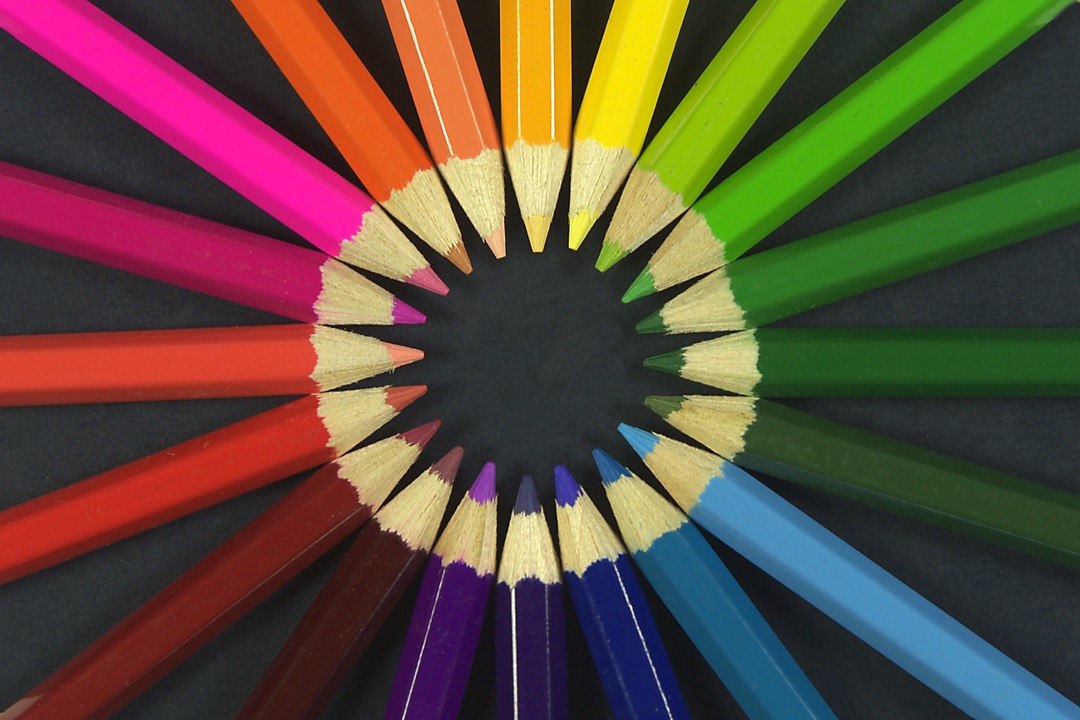
If you are standing in an art supply aisle — or browsing Amazon at midnight — staring at a Crayola 50-count for a few dollars and a Prismacolor Premier 48-set for substantially more, the price gap alone makes you wonder whether the upgrade is worth it. Sometimes the answer is a clear yes. Sometimes it is just as clearly no. The honest version of this comparison is that these are not competing products aimed at the same buyer — they are tools built for fundamentally different purposes, and the one that is right for you depends almost entirely on who you are and what you are making.
I keep both on my desk. I have a set of Crayola Signature pencils I use for quick annotation sketches and color-coding notes in my planning system — they sharpen reliably, they are forgiving, and I do not stress about them. My Prismacolor Premiers are reserved for more intentional artwork on proper paper. Understanding when each earns its place is the whole point of this comparison.
If you came here primarily looking for top product recommendations rather than a deep brand comparison, our best mechanical pencils guide and best gel pens roundup cover precision writing and drawing tools across a wider range of use cases.
Brand Overview: Two Very Different Companies
Crayola is owned by Hallmark Cards and manufactured by Binney & Smith, the company that created the original Crayola crayon in 1903. The brand is synonymous with children’s art supplies in the United States, and that positioning is deliberate — Crayola’s entire product development philosophy centers on durability, safety, washability, and affordability at scale. They manufacture hundreds of millions of crayons and pencils annually, and their quality control for a mass-market product is genuinely strong. Crayola has expanded into premium tiers with the Signature line, but the company’s identity remains rooted in accessible, reliable products for general use.
Prismacolor is currently owned by Newell Brands — the parent company behind Sharpie, Paper Mate, Elmer’s, and a number of other office and art supply brands. Prismacolor has been part of several corporate families over the decades; the pencils were produced under the Sanford brand name for many years before consolidation under Newell. The Premier line is manufactured in Mexico, a change that happened in 2011 when production moved from its former U.S. facility. That transition coincided with a period of widely reported quality control complaints in colored pencil communities, and the breakage issue that the Premier line is known for today became more consistently documented around that time. Prismacolor Scholar, the student line, has a better reputation for consistency.
Core Construction: What Is Actually Inside the Pencil
Both brands make wax-based colored pencils, but the formulation is substantially different.
Crayola’s cores use a harder wax binder with lower pigment concentration. The hardness makes the pencil more resistant to breakage, more suitable for heavy-handed young users, and easier to sharpen with any standard sharpener — electric, crank, or twist. The trade-off is that the harder core requires more pressure to deposit color and does not blend smoothly.
Prismacolor Premier uses an ultra-soft wax core with very high pigment concentration. The softness is intentional: it is what makes Premier pencils blend, layer, and burnish the way they do. But that same softness means the core has almost no structural rigidity. A sharp impact — a dropped pencil, a rough sharpener — travels through the wood barrel and can shatter the core internally. You will not see anything wrong from the outside, but when you sharpen the pencil the tip crumbles away piece by piece. This is the source of the breakage complaints that dominate Premier reviews.
Prismacolor Scholar sits between the two — harder and more durable than Premier, with better blendability than Crayola Classic.
Pigment Quality and Lightfastness
Color quality and longevity are where the professional intent of Prismacolor Premier becomes apparent — and also where its limitations show.
Crayola pencils produce consistent, bright color but are not rated for lightfastness. The pigments are not selected or tested for archival permanence. Artwork colored with Crayola pencils that hangs on a wall or sits in a light-exposed portfolio will fade perceptibly over one to two years. For school projects, coloring books, and temporary use, this is not a problem. For anything meant to last, it matters.
Prismacolor Premier publishes lightfastness ratings for its colors using ASTM standards. Some colors — particularly earth tones, browns, and certain blues — are rated Excellent (I) or Very Good (II) and are genuinely archival. However, many of the bright, vivid colors that make Premier sets visually appealing — electric blues, neon greens, hot pinks — carry Poor (IV) or Very Poor (V) ratings. These will fade significantly within a few years of light exposure. Prismacolor is more transparent about this than Crayola, but buyers shopping Premier sets for serious gallery or portfolio work should consult the lightfastness chart before assuming the full range is archival-safe.
For display-quality work with consistent lightfastness across the full color range, Faber-Castell Polychromos is the standard recommendation — though at two dollars or more per pencil, it is a significant investment.
Set Sizes and Line Variants
Crayola
Crayola’s colored pencil range includes several distinct lines:
- Crayola Classic — the standard line, available in 12, 24, 50, and 100-count sets. Reliable, affordable, appropriate for school and general use.
- Crayola Signature Blend & Shade — the premium tier, with softer cores and higher pigment load. Noticeably better blending performance than Classic, available in 50 and 100-count sets.
- Crayola Colors of the World — a specialized 24-count set designed to represent a range of human skin tones, primarily targeted at school and inclusive art education contexts.
Prismacolor
Prismacolor’s colored pencil range divides into two main lines:
- Prismacolor Scholar — the student line. Harder core, more durable, less expensive. Available in 24, 48, and 60-count sets. A reasonable starting point for developing artists.
- Prismacolor Premier — the flagship professional line. Ultra-soft wax core, highest pigment load, exceptional blending. Available in 12, 24, 48, 72, 132, and 150-count sets. The 150-count offers the full range and the best cost-per-pencil value; smaller sets are better starting points if you are trying Premier for the first time.
Cost Per Pencil: The Real Numbers
One of the most useful ways to compare these brands is cost per pencil, which reveals the true value proposition of each tier.
| Line | Approx. Cost Per Pencil |
|---|---|
| Crayola Classic (50-count) | ~$0.20–$0.25 |
| Crayola Signature Blend & Shade | ~$0.50–$0.75 |
| Prismacolor Scholar (48-count) | ~$1.00–$1.50 |
| Prismacolor Premier (72-count) | ~$1.50–$2.25 |
| Prismacolor Premier (150-count) | ~$1.25–$1.75 |
| Faber-Castell Polychromos | ~$2.00–$3.00+ |
Crayola Classic is roughly five to ten times cheaper per pencil than Prismacolor Premier. For classroom bulk use, school supply lists, or equipping a group of children, that gap is decisive. For a single adult hobbyist buying one set they will use regularly over months or years, the per-pencil math looks different — the lifetime cost spread across hundreds of hours of use is reasonable.
Note that smaller Prismacolor Premier sets cost more per pencil than larger ones. If you are sampling Premier for the first time, a 24-count is a sensible test before committing to a 72 or 150-count set.
The Prismacolor QC and Breakage Issue: What You Need to Know
This section deserves direct attention because it is the most consistent complaint about Prismacolor Premier in user reviews, Reddit communities, and colored pencil forums — and it is not a minor complaint from a few unlucky buyers.
The ultra-soft Premier core is vulnerable to internal breakage from physical shock. The two primary causes are dropping a pencil (even from desk height) and using an electric or battery-powered pencil sharpener, which applies rotational torque that snaps soft cores. The result is a pencil that looks intact from outside but has a shattered core inside — visible only when you sharpen and the tip crumbles away in pieces rather than sharpening cleanly.
Reported breakage frequency increased notably after the 2011 manufacturing shift, and experienced colored pencil artists routinely advise newcomers to Premier about handling precautions: hand-sharpen only, store sets upright rather than flat in a tin, do not drop pencils, and buy from retailers with good return policies so broken pencils can be exchanged.
These are not unreasonable precautions for a professional art tool, but they are a genuine consideration. If your workspace involves children, rough handling, or electric sharpeners — or if you simply want pencils that behave reliably without special handling — Prismacolor Scholar or Crayola Signature is a more practical choice.
A good desk lamp with adjustable color temperature helps when doing detailed colored pencil work — accurate color rendering makes a real difference when building up layered values.
Who Should Buy Crayola
Crayola is the right choice for:
- Children using pencils for school, homework, or casual coloring. The harder core handles enthusiastic young users, the colors are consistent, and the cost is low enough that lost or broken pencils are not a disaster.
- Classroom bulk use — any situation where you need to equip many people at low cost per pencil.
- Casual adult coloring — filling in paperback adult coloring books on thin paper where the paper itself limits what any pencil can do. The experience difference between Crayola Signature and Prismacolor Premier is minimal on typical coloring book paper.
- School supply lists — when the list specifies colored pencils and no artist-grade performance is needed.
- Anyone who needs pencils that survive rough handling — tool kits, shared supplies, travel art sets.
Pair colored pencils with quality highlighters for marking reference materials or adding emphasis to planning and annotation work — both tools serve distinct roles and work better when kept separate.
Who Should Buy Prismacolor Premier
Prismacolor Premier is the right choice for:
- Serious adult coloring hobbyists working on quality paper (smooth Bristol, toned sketch paper, mixed-media pages) who want to achieve blending, layering, and burnishing effects.
- Aspiring illustrators and art students learning colored pencil technique, where the blendability of Premier is a teaching tool in itself.
- Anyone specifically practicing wax-based blending techniques — Premier is one of the best tools for this technique at its price point.
- Gift buyers for known colored pencil enthusiasts — Premier sets are the standard recommendation in the colored pencil hobbyist community, and a 48 or 72-count set is a meaningful gift for someone who uses them regularly.
Keep your art workspace organized with a good desk organizer — artist pencil sets are expensive enough that storing them properly (upright, separated by color family) protects your investment and saves time when working.
Middle-Ground Alternatives Worth Knowing
If neither Crayola nor Prismacolor Premier feels exactly right for your situation, two alternatives are worth mentioning.
Arteza Expert colored pencils sit between Prismacolor Scholar and Premier on the price-quality spectrum. Soft core, good blendability, decent pigment load, and generally better quality control than Premier at roughly similar per-pencil pricing for mid-size sets. A reasonable option for hobbyists who want artist-grade performance without the breakage anxiety of Premier.
Faber-Castell Polychromos is the benchmark recommendation for serious artists willing to spend more. Oil-based rather than wax-based, medium-hard core, essentially no breakage issues, excellent lightfastness across the color range, and a blending feel that many artists prefer for detailed fine-line work. At two dollars or more per pencil, it is a professional investment — but one that pays off for artists who use colored pencils as a primary medium. You can use them alongside Prismacolor Premier for mixed techniques: Polychromos for detail and layering in early stages, Premier for soft blending in later stages.
Verdict: The Decision Framework
The question to ask yourself is not “which brand is better” but “what am I actually making, and who is using these pencils.”
Buy Crayola if you are buying for children, for school, for bulk classroom use, for casual paperback coloring books, or for any situation where durability and low cost per pencil matter more than maximum blending performance. Crayola Signature Blend & Shade is a solid upgrade if you want better blending without crossing into artist-pencil territory and price.
Buy Prismacolor Premier if you are a hobbyist or developing artist working on quality paper, you want the best blending performance in the wax-based pencil category at a sub-Polychromos price point, and you are willing to adopt the handling habits (hand sharpening, upright storage, careful handling) that protect the soft core. Start with a 24 or 48-count set before investing in a 150-count.
Consider Arteza Expert or Faber-Castell Polychromos if Premier’s QC issues concern you or if you need consistently high lightfastness ratings across the full color range.
Colored pencils reward the right tool for the right task. A 24-pencil Crayola set that a child actually uses every day is more valuable than a 150-pencil Premier set sitting in a drawer untouched. Match the tool to the actual use, and you will not go wrong. For tracking and organizing all your creative projects, a quality planner helps you schedule dedicated coloring or art time — the supplies are only as useful as the time you carve out to use them. And a set of quality sticky notes near your art workspace makes it easy to note color combinations, technique ideas, or supply restocking needs as they occur to you.
Buyer's Guide
The right colored pencil choice depends almost entirely on who is using them and for what purpose. These six factors cut through the brand marketing and tell you what actually matters for your specific situation.
Intended Use Case
This is the single most important factor, and getting it right means you will not overspend or underbuy. Colored pencils serve a wide range of users: children coloring in school workbooks, students doing art assignments, adults filling in adult coloring books for relaxation, hobbyist illustrators building up detailed colored artwork, and serious art students doing portfolio-level work. For children and school use, the question is durability, washability, and cost per pencil — Crayola wins on all three counts. Their pencils are harder, resist breakage under enthusiastic young hands, and cost a fraction of artist-grade options. For casual adult coloring on standard paperback coloring books, either Crayola Classic or Crayola Signature Blend & Shade is completely adequate — the paper quality in most paperback coloring books does not benefit from the additional pigment load of Prismacolor anyway. For hobbyist illustrators doing detailed work on quality paper who want rich layering, burnishing, and color mixing, Prismacolor Premier is the meaningful upgrade. For art students doing archival or portfolio work, lightfastness matters and neither Crayola nor Prismacolor Premier excels here — that audience should look at Faber-Castell Polychromos or Caran d'Ache Luminance.
Pigment Load and Color Saturation
Pigment load refers to how much colorant is actually in the pencil's core relative to binders, wax, and filler. Higher pigment load means richer, more saturated color with fewer strokes — and it is one of the clearest differences between general-use and artist-grade colored pencils. Crayola Classic pencils have a moderate pigment load appropriate for general use. They produce cheerful, consistent color and cover paper evenly, but they tend toward a slightly waxy, opaque look rather than the luminous depth of a high-pigment pencil. Crayola Signature Blend & Shade steps up the pigment content noticeably and is a legitimate middle ground. Prismacolor Premier has significantly higher pigment load than Crayola Classic — the colors are deeper, more intense, and build up richly with each layer. This makes a substantial visual difference when you are trying to achieve detailed, gallery-quality work on quality paper. For coloring books on standard newsprint-style paper, the paper limits what the pencil can do regardless of pigment load, which is part of why Crayola performs perfectly well for that application. When you move to smooth Bristol, toned paper, or mixed-media pages, the pigment difference becomes visible and meaningful.
Core Hardness, Layering, and Blending Behavior
Core hardness governs how a pencil feels on paper and how well it layers and blends. Soft cores deposit more pigment per stroke, blend more easily under pressure, and are better for techniques like burnishing (applying heavy pressure with a light or white pencil to blend layers into a smooth surface). Hard cores are more precise, produce crisper lines, are less prone to breakage, and work better for fine detail work. Crayola Classic uses a relatively hard, wax-based core — it lays down color cleanly but does not blend smoothly under pressure and resists layering multiple colors into a single mixed tone. The result is more like traditional crayon coloring: distinct, flat color areas that do not transition into each other naturally. Prismacolor Premier sits at the soft end of the spectrum with an ultra-soft wax core. It blends almost like pastel under the right technique, and multiple layers build up into rich, glowing color transitions. The trade-off is the breakage vulnerability already noted. For most hobbyist applications, Prismacolor's softness is a feature, not a problem — as long as you adapt your sharpening and handling habits accordingly. Faber-Castell Polychromos occupies a different category: oil-based rather than wax-based, medium hardness, no breakage issues, and a somewhat different blending feel that many artists prefer for detailed fine-line work alongside soft-core pencils.
Lightfastness and Archival Quality
Lightfastness measures how resistant a pigment is to fading when exposed to light over time. It matters enormously for artwork meant to be displayed, framed, included in a portfolio, or preserved long-term. It matters much less for casual coloring, school projects, or artwork that will be photographed and stored digitally. Crayola pencils are not rated for lightfastness and are not intended for archival work. Colors can fade noticeably within a year or two under regular light exposure. They are designed for use, not preservation. Prismacolor Premier has mixed lightfastness ratings across its color range. Some colors are rated Excellent (I) or Very Good (II) on the ASTM lightfastness scale and are suitable for display artwork. Many colors, particularly bright and vivid hues, are rated Poor (IV) or Very Poor (V) — these will fade significantly within two to five years under light. Prismacolor publishes lightfastness data for Premier, and it is worth consulting if you are using them for display work. For truly archival colored pencil work, Faber-Castell Polychromos and Caran d'Ache Luminance offer much more consistently high lightfastness ratings across the full color range. If your artwork is going on a wall or into a portfolio, lightfastness should be a primary purchasing factor — neither Crayola nor Prismacolor is the right tool for that job.
Cost Per Pencil and Total Set Value
The economics of colored pencils vary more than most buyers realize. Crayola Classic pencils in standard school-supply sets work out to roughly a quarter per pencil or less, depending on set size and retailer. Even Crayola Signature Blend & Shade — the premium line — lands around fifty to seventy-five cents per pencil. Prismacolor Scholar runs around one to one-fifty per pencil in standard set sizes. Prismacolor Premier ranges from roughly one-fifty to three dollars per pencil depending on set size, with smaller sets costing more per pencil than larger ones — the 150-count set offers better per-pencil value than the 12-count. The cost difference matters in two directions: for classroom or group use, the cost of outfitting twenty students with Prismacolor Premier sets is simply not practical, and Crayola Classic is the obvious answer. For an adult hobbyist buying one personal set, the total price of a Prismacolor Premier 72-count is meaningful but reasonable for a tool that will last years with proper care. One way to approach this is to buy a smaller Premier starter set (24 or 48 pencils) rather than a full 150-count, test whether you enjoy working with the medium, and expand only if you find you use them regularly. Artist pencils reward investment only if you actually use them.
Build Quality, Breakage, and Quality Control
Build quality covers the wood barrel, the core centering, the smoothness of the finish, and the consistency of the core from pencil to pencil across a set. For Crayola, build quality is consistent and reliable. The wood barrels sharpen cleanly, the cores are centered, and the company's high production volume means tight quality control. Breakage under normal use is uncommon. For Prismacolor Premier, the picture is more complicated. The ultra-soft core is structurally vulnerable to physical shock, and there is a documented pattern of cores being broken internally during shipping or retail handling — you sharpen a brand-new pencil and the tip crumbles because the core shattered inside the barrel before it ever touched paper. This is not universal across every pencil or every set, but it is common enough to be a genuine consideration rather than an edge case. The issue was more widely reported after Prismacolor's manufacturing shifted in 2011, and online communities of colored pencil artists regularly discuss it. Mitigation strategies include purchasing from sellers with reliable shipping and easy returns, storing Premier sets upright, hand-sharpening only, and testing each pencil before committing to use in a detailed drawing. If these handling requirements sound like too much friction for your workflow, Prismacolor Scholar, Arteza Expert, or Faber-Castell Polychromos are all worth considering — Polychromos in particular has an oil-based hard core with essentially no breakage issues.
Frequently Asked Questions
Are Prismacolor pencils actually better than Crayola?
Is Prismacolor good for beginners?
Why do Prismacolor pencils break so easily?
Can you blend Crayola colored pencils like Prismacolor?
What is the difference between Prismacolor Scholar and Premier?
Related Articles
About the Reviewer

Sarah Chen, CAP, PMP
B.A. Business Administration, UCLA
Sarah Chen spent 10 years in office management and operations at Fortune 500 companies before founding DeskRated in 2026. After managing supply budgets for teams of 50+ people and testing thousands of products through daily use, she started writing the honest, no-fluff supply reviews that office professionals actually need. Sarah holds both CAP and PMP certifications and is based in Los Angeles.