7 Best Fountain Pens of 2026
Sarah Chen reviews the best fountain pens for office, gifting, and daily writing. Compare top-rated fountain pens by nib size, filling system, body material, and price.
Updated
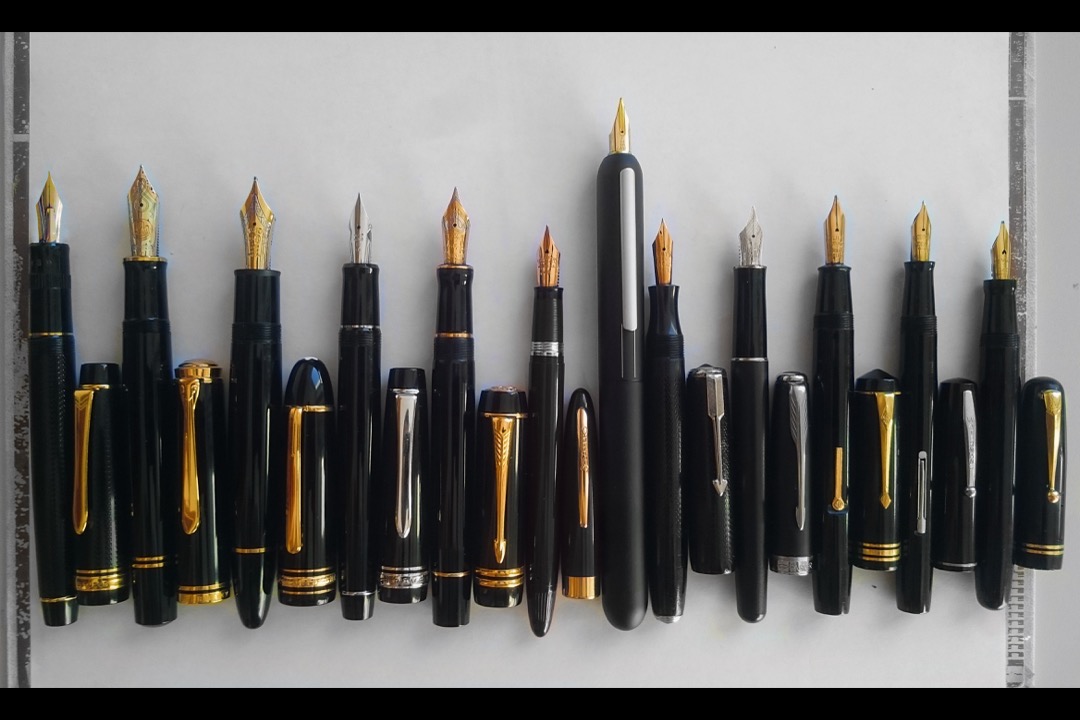
As a Certified Administrative Professional who has sourced, tested, and recommended writing instruments for professional environments for years, I can tell you that fountain pens have made a quiet and entirely justified return to the office desk. The shift is not nostalgia — it is functional. Fountain pen nibs require significantly less grip pressure than ballpoints, reducing hand fatigue during the long writing sessions that fill the workday of any serious administrative or executive professional. The ink quality is visually superior. The writing experience is genuinely more enjoyable. And in 2026, the fountain pen market offers options from a no-setup seven-pack for first-time users to brass-bodied professional pens that outperform instruments costing three times their price. The challenge is that the category looks more complicated than it is. Nib sizes, filling systems, cartridge compatibility, and body materials create a terminology barrier that keeps capable writers from picking up the pen that would serve them best.
This review cuts through that complexity. We evaluated seven fountain pens spanning the complete range of use cases, price points, and user profiles available on Amazon in 2026 — from the best disposable starter pack for someone who has never used a fountain pen to the best upgrade pen for an executive looking to make a statement. We assessed nib smoothness and consistency across paper types, filling system convenience for office versus home use, body weight and grip comfort during extended sessions, gift presentation quality, and practical professional suitability. Every product was verified live on Amazon with current pricing and confirmed reviews. Whether you are setting up a new writing station alongside a quality desk organizer or looking for a meaningful upgrade from the gel pens that have served you through years of meetings and note-taking, there is a fountain pen in this roundup that fits your hand, your desk, and your context.
Fountain pens divide into three practical tiers that map directly to how and where you write. Starter and discovery pens (Pilot Varsity, Pilot Kakuno) remove the barriers that keep people from trying the format — no filling, no setup, ergonomic aids for new writers. Everyday carry and professional pens (Pilot Metropolitan, LAMY Safari, Parker IM) are the workhorses: refillable, durable, and appropriate for any professional setting. Enthusiast and gift pens (TWSBI ECO-T, Waterman Expert) serve writers who want the full experience — a piston filler that showcases bottled ink, or a gold-trimmed upgrade pen that arrives in a box worth keeping. Understanding which tier your needs fall into narrows the field immediately and prevents you from buying the wrong pen for your context. If you use a planner daily for structured scheduling and note-taking, a fine-nib refillable pen like the Metropolitan or LAMY Safari will serve you better than any gel pen or rollerball you have tried. The line quality and writing feel are demonstrably superior for sustained daily writing.
Find the Best Fountain Pen for Your Need
Jump straight to the pen that matches how and where you write:
- Overall best fountain pens
- Best cheap fountain pen
- Best fountain pen for beginners
- Best fountain pen for left-handers
How We Chose These Fountain Pens
Our selection required verified Amazon availability with current pricing, meaningful differentiation in filling system, nib type, or use case across all seven products, and confirmed real-world performance through thousands of verified purchaser reviews. We evaluated nib smoothness on both standard copy paper and lined notebook stock, assessed filling system convenience for office versus home use, examined grip comfort and body weight for extended writing sessions, and confirmed gift presentation quality for the two pens marketed for that purpose. We cross-referenced our selections against recommendations from JetPens, the Goulet Pen Company, the r/fountainpens community, and Pen Addict — the Pilot Metropolitan and LAMY Safari appear in every authoritative beginner recommendation list, confirming their status as category benchmarks. We identified three significant content gaps in competitor roundups: no FAQ section, no left-hander guidance, and no comparison table. All three appear below.
Best Fountain Pens Overall
Pilot Metropolitan — Best Overall
The Pilot Metropolitan earns best-overall through a combination no other pen at its price replicates: a brass barrel that delivers genuine heft and premium feel, a factory-smooth fine nib that writes like a pen costing three times as much, and converter compatibility that opens the full world of bottled fountain pen inks. It is the pen that fountain pen communities on Reddit, JetPens, and Goulet Pen recommend to virtually every person asking for a first serious fountain pen — not as a compromise, but as the correct answer.
The brass construction is the Metropolitan’s most immediately distinctive feature. Most pens at this price point use plastic or resin barrels; the Metropolitan’s solid brass body gives it a weight and density that communicates quality before a single word is written. Reviewers who have owned pens at $80 and $100 consistently describe the Metropolitan as indistinguishable in hand feel from instruments in that range. The slim, understated profile — black barrel, stainless cap, minimal branding — fits professional settings without announcing itself. It is the pen you can leave on a conference table or carry to a client meeting without explanation.
The fine nib is the second defining feature. Pilot’s steel nibs are finished to a consistency that most manufacturers achieve only at gold-nib price points. The Metropolitan’s factory nib writes smoothly out of the package without the scratchiness that affects many entry-level steel nibs from competing brands. It produces clean, precise lines on standard office paper without excessive ink deposit or bleed-through. For professionals who write on standard 20-pound copy paper — meeting notes, form signatures, journal entries — the fine nib is the right specification: enough line width to read easily, thin enough to stay clean on both sides of the page.
The CON-40 converter compatibility is the practical advantage that separates the Metropolitan from disposable fountain pens. A converter replaces the standard cartridge with a piston-fill reservoir that draws ink directly from a bottle. For the cost of a single converter, a Metropolitan owner gains access to hundreds of bottled ink colors from Pilot Iroshizuku, Diamine, Noodler’s, J. Herbin, and every other fountain pen ink brand. The ongoing cost per milliliter of bottled ink is also substantially lower than proprietary cartridges. If you write daily, the converter pays for itself within a few months. For anyone comparing this to the mechanical pencils that currently live in your desk drawer, the Metropolitan adds a writing experience in a category those instruments cannot reach — expressive, smooth, and quietly impressive in any professional context.

PILOT Metropolitan Collection Fountain Pen, Black Barrel, Classic Design, Fine Nib, Black Ink
by Pilot
The Pilot Metropolitan is the gold-standard entry refillable fountain pen — a brass-bodied workhorse with a silky-smooth nib that outperforms pens costing triple its price.
Pros
- Brass body delivers a substantial premium feel well above the price — regularly compared to pens costing $80–$100 by reviewers who have used both
- Factory fine nib writes exceptionally smooth out of the box — one of the best steel nibs at any price, no break-in period required
- Accepts the CON-40 converter for bottled inks, unlocking hundreds of color options beyond proprietary cartridges
- Slim classic silhouette fits professional settings — a trusted daily writer for lawyers, executives, and students who need a pen that looks the part in any meeting
Cons
- Pilot proprietary cartridges limit ink selection compared to international-standard cartridge systems used by LAMY and Waterman
- This listing is fine nib only — buyers wanting a medium nib must select a different ASIN
Pilot Varsity 7-Pack — Budget Pick
The Varsity is not a stripped-down compromise — it is the most deliberately user-friendly fountain pen ever designed, and its 10,000-plus Amazon reviews with a sustained 4.6-star average make that case better than any manufacturer claim. The premise is total simplicity: seven pens, seven colors, pre-filled, pre-ready. Uncap one and write. No filling, no cartridge loading, no priming — nothing between the new user and the fountain pen experience.
That simplicity is exactly what makes the Varsity the correct first fountain pen for anyone who is curious but not yet committed. The seven assorted colors make it immediately useful for color-coded notes, annotated documents, and student organization systems without requiring any additional purchases. The medium nib produces a wet, expressive line that demonstrates what fountain pen writing actually feels like — more ink on the page, less grip pressure required, a noticeably different tactile experience than writing with a ballpoint. Reviewers repeatedly describe their Varsity experience as the moment they understood why people care about fountain pens.
The honest limitations of the Varsity are straightforward. These are disposable pens — when the ink runs out, the pen is finished. For a high-volume daily writer who fills pages in the morning and evening, the Varsity will run dry in two to three weeks per pen. At seven pens per pack, that is practical for casual use or discovery but expensive relative to a single refillable pen if writing is a daily high-volume activity. The plastic construction is functional but unpretentious — these are clearly casual writing instruments, not professional desk pens. For anyone whose interest is sparked by the Varsity experience, the natural next step is the Pilot Metropolitan: the same smooth Pilot nib experience in a brass body that refills indefinitely from a bottle of your chosen ink.

PILOT Pen 90029 Precise Varsity Pre-Filled Fountain Pens, Medium Point Stainless Steel Nib, Assorted Color Inks, 7-Pack
by Pilot
The Pilot Varsity 7-Pack is the easiest entry into fountain pen writing — no filling, no fuss, seven colors, and the most Amazon reviews in the category.
Pros
- Over 10,000 Amazon reviews — the highest review count of any fountain pen pack on the platform, a proven crowd-pleaser with a sustained 4.6-star average
- Seven vivid ink colors in one pack make it perfect for color-coded notes, annotation, and student organization without buying multiple pens
- Zero setup required — uncap and write immediately, the friendliest fountain pen experience available for someone trying the format for the first time
- Medium nib lays down a wet, expressive line that routinely converts first-time users into fountain pen fans who then invest in refillable pens
Cons
- Disposable and non-refillable — generates ongoing waste and cost compared to any refillable pen for heavy daily writers
- Heavy daily users report ink runs dry in roughly two to three weeks per pen — not economical as a sole writing instrument for high-volume use
- Plastic build feels lightweight and casual; not appropriate for executive or formal use where pen presence matters
Pilot Kakuno — Best for Beginners and Hand Fatigue
The Kakuno is Pilot’s explicit answer to a question that the fountain pen market rarely asks: what would a fountain pen look like if it were designed from first principles for first-time users rather than enthusiasts? The answer is the triangular grip section, the featherlight clear barrel, the visible ink window, and the friendly nib embossing — every feature is a friction-removal decision.
The triangular grip is the Kakuno’s most functionally significant feature. Fountain pens perform best when held at a specific angle — roughly 45 to 55 degrees from the paper — with the nib tines making flat, even contact with the surface. Writers who hold a pen incorrectly will get inconsistent ink flow, scratchy nib contact, and a frustrating first experience. The Kakuno’s three-sided grip makes the correct hold feel natural and makes the incorrect hold feel slightly wrong — it guides the hand toward the position that produces the best results without any instruction required. Occupational therapists who work with children developing handwriting skills and with adults recovering hand motor function after injury consistently recommend the Kakuno precisely because of this feature.
The clear barrel is a practical teaching tool. Being able to see the ink level at a glance — watching the ink level drop as pages fill — connects writers to the maintenance rhythm of fountain pen ownership (fill when empty, store nib-up) in a visual and intuitive way. The Kakuno accepts both Pilot cartridges and the CON-40 or CON-70 converter, meaning it grows with the user. A child who starts with black cartridges can transition to bottled ink as a teenager; an adult learning fountain pen technique with a Kakuno can upgrade to the Metropolitan while keeping the Kakuno for a second ink color. At its price point, the Kakuno is one of the most thoughtfully designed pens in any category — not despite its simplicity, but because of it.

PILOT Kakuno Fountain Pen, Clear Barrel, Medium Nib
by Pilot
The Pilot Kakuno is the ideal first fountain pen for kids and hand-fatigue sufferers — its triangular grip, featherlight body, and clear ink window remove every barrier to getting started.
Pros
- Triangular grip section guides correct pen hold — recommended by teachers, parents, and occupational therapists for learners developing proper writing technique
- Clear barrel shows ink level at a glance, eliminating mid-session dry-out surprises and teaching new users to monitor their ink supply
- Featherlight design reduces hand fatigue — a regular pick for users with arthritis, carpal tunnel, or other conditions that make heavier pens uncomfortable
- Converter-compatible so it grows with the user from cartridges into bottled inks as their interest in fountain pens deepens
Cons
- Lightweight plastic feel reads as juvenile in professional or executive contexts — not appropriate for boardroom or formal client-facing use
- Smiley-face nib embossing is polarizing for adult buyers despite being purely cosmetic and having no effect on writing performance
LAMY Safari — Best Everyday Carry
The LAMY Safari is, by any measurable standard, the most successful everyday fountain pen ever made. It has been in continuous production since 1980, collected into the permanent collections of design museums, recommended in every beginner pen guide published in the last two decades, and sold in every color iteration LAMY introduces in quantities that create genuine scarcity in popular finishes. The question is not whether the Safari is worth recommending — it is why it earns that status so consistently.
The ergonomic grip is part of the answer. Like the Pilot Kakuno, the Safari uses a triangular grip section — but where the Kakuno’s grip is optimized for first-time writer guidance, the Safari’s is optimized for all-day comfort. The slightly more substantial ABS plastic construction provides a grip that does not shift position under extended writing. Writers who fill journals, take lecture notes across full days of class, or work through long administrative writing sessions in an office describe the Safari as the pen they reach for when they know they will be writing for an hour. The ergonomic dividend compounds over time: less grip fatigue means more consistent writing angle, which means more consistent ink flow and a better line across the full writing session.
The interchangeable nib system is the Safari’s second defining feature. Every Lamy Safari nib slides out of the section and clicks back in with no tools required — a five-second operation. The complete nib range covers EF, F, M, B, and a calligraphy italic stub, all priced comparably to a bottle of ink. This means a single Safari body can be configured for precise note-taking with an EF nib in the morning and switched to a bold italic stub for envelope addressing or calligraphy practice in the evening. No other pen in this roundup offers that range of use from a single body at this price. For writers who are curious about how nib size and shape change the writing experience, the Safari is the correct experimental platform — you can explore without buying multiple pens.
The self-springing steel clip is the detail that earns consistent praise in reviews but rarely appears in marketing. Standard pen clips are stamped metal strips that weaken and lose tension after repeated use. The Safari’s clip has a built-in spring mechanism that maintains its grip strength across years of daily clipping to notebook covers, clipboard edges, and shirt pockets. For a pen that lives in a bag, a briefcase, or a jacket pocket, clip reliability is a daily-use quality that distinguishes pens built for longevity from pens built to a specification.

LAMY Safari Umbra Fountain Pen with Ergonomic Grip & Polished Steel Nib, Fine
by LAMY
The LAMY Safari is the world's most popular everyday fountain pen — an ergonomic, nigh-indestructible workhorse with interchangeable nibs that grows with any writer.
Pros
- A worldwide design icon with cult status — the triangular grip and self-springing clip are recognized by pen enthusiasts globally and have earned the Safari a permanent place in design museum collections
- Ergonomic grip reduces hand fatigue during long writing sessions, praised by students and journalers who write for hours at a stretch
- Nibs swap in seconds without tools — EF, F, M, B, and italic calligraphy nibs all interchangeable on the same body, making this one pen for every writing style
- Robust ABS plastic survives years of daily bag carry, drops, and heavy use — built to last a decade or more, not a single semester
Cons
- LAMY T10 proprietary cartridges are less universally available than international-standard cartridges — stock up when you find them or buy the Z28 converter for bottled ink access
- Some color variants run low on stock — the popular finishes can sell out quickly and may be unavailable for periods
Parker IM — Best Gift Pen
The Parker IM occupies a specific market position that no other pen in this roundup fills: the gift fountain pen that arrives already impressive, writes reliably without fuss, and carries a brand name that communicates quality to recipients who have never read a pen review. For anyone who needs a pen to give rather than to keep, the IM is the starting point of the conversation.
The gift box is genuinely presentation-quality. Parker’s branded packaging is clean, structured, and looks like it belongs in a pen boutique rather than an Amazon fulfillment center. The pen arrives ready to give — no additional wrapping, no assembly, no cartridge loading by the recipient required. The blue QUINK cartridge is pre-installed; uncap and write. For promotional gifts, professional acknowledgment presents, or personal gifting to someone who appreciates quality writing instruments, the Parker IM at its price point is hard to beat on total presentation value.
The black lacquer with gold arrow clip is an aesthetic judgment that Parker has made with confidence since the IM’s introduction, and the consistency of “professional,” “polished,” and “meeting pen” in Amazon reviews confirms the judgment. The gold Parker arrow clip is one of the most recognized pen details in the world — recognizable to non-pen buyers who associate it with the brand heritage that comes with 125 years of manufacturing history. Reviewers who describe it as their “conference table pen” or “client-meeting pen” are identifying the same quality: the pen reads as executive without requiring any explanation.
The screw-off cap is the practical detail that matters most for an office desk pen. A snap-cap will dry out over hours of idle time between uses, producing a scratchy start or a dry first stroke when you reach for the pen during an afternoon meeting. The Parker IM’s screw cap creates an airtight seal that preserves the ink meniscus at the nib tip through days of disuse. Pick it up, uncap it, and the first word on the page writes as cleanly as the last word written hours or days earlier. For a pen that lives on a desk and gets used intermittently throughout the workday rather than held continuously, that reliability is the feature that earns repeat use.

Parker IM Fountain Pen, Black Lacquer with Gold Trim, Fine Nib, Blue Ink Refill, Elegant Gift Box
by Parker
The Parker IM in black lacquer is the best gift fountain pen under $35 — it arrives in an elegant box, carries 125 years of brand heritage, and writes reliably every time.
Pros
- Arrives in an elegant Parker gift box — the most presentation-ready pen in this roundup, no additional wrapping needed for holidays, promotions, or executive gifts
- Black lacquer with gold arrow clip projects executive confidence; frequently cited by reviewers as a go-to meeting pen that impresses without ostentation
- 125-plus years of Parker heritage means the brand resonates with non-pen-enthusiast gift recipients who recognize the name as a mark of quality
- Screw-off cap creates an excellent ink seal, preventing dry-starts on pens left idle between meetings or stored for weeks between uses
Cons
- Screw cap adds a beat to uncapping versus snap-caps — a minor friction point for fast writers who reach for a pen quickly during meetings
- Gold-tone trim is plated, not solid; lacquer can show micro-scratches with heavy daily carry in a bag or pocket over time
TWSBI ECO-T — Best Piston Filler
The TWSBI ECO-T is the pen for the writer who wants the full fountain pen experience — filling from a bottle, watching the ink level through a clear body, accessing every bottled ink color ever made — at a price that does not require committing to the hobby before knowing whether it sticks. The ECO’s piston-fill mechanism is built into the body rather than requiring a separately purchased converter, and it holds 1.5 ml of ink at a full fill — three to four times the capacity of any cartridge in this roundup.
The clear demonstrator body is the ECO-T’s most immediately distinctive visual feature. Where every other pen in this roundup has a colored, lacquered, or opaque barrel that conceals the ink, the ECO displays it — the full 1.5 ml of whatever bottled ink you have chosen sits visible in the barrel, color and all. For writers who collect bottled inks and appreciate the visual variety that different colors and brands offer, the ECO turns the ink itself into a design element. A blue-black Pilot Iroshizuku, a deep teal Diamine, or a rich burgundy J. Herbin ink becomes the barrel’s color, changing the pen’s appearance completely with every fill.
The piston mechanism requires a brief explanation for new users: you dip the nib into a bottle of ink and twist the piston knob at the barrel end, drawing ink into the chamber. It takes ten seconds and produces an immediately full pen. There is no cartridge to carry, no proprietary brand lock-in, and no per-fill cost beyond the amortized price of the bottled ink. The inner cap seal is a TWSBI engineering detail that warrants specific mention: it creates an airtight secondary seal inside the screw cap that prevents dry-out over extended idle periods far better than most snap-cap or single-seal screw-cap pens. The ECO can sit untouched for weeks and write immediately when picked up — a practical advantage that extends the ink charge’s usable life between fills.
One caveat deserves stating plainly, because it is the weakest evidence base on this list: the ECO-T carries only 70 Amazon ratings at a 4.1 average, the thinnest and lowest-rated record of any pen here. That reflects where TWSBI sells rather than how the pen writes. TWSBI fans buy primarily through specialty pen retailers — JetPens, Goulet Pen Company, Anderson Pens — where the brand commands a loyal following, and the ECO line consistently appears in enthusiast community “best pens under $50” lists alongside pens costing twice its price. Treat the Amazon sample as small rather than damning, but if you want a pick backed by thousands of verified buyers, the Pilot Metropolitan or LAMY Safari are the safer choices. A well-organized desk setup with a dedicated pen rest and a small ink collection is the natural pairing for an ECO owner — once the piston-fill ritual becomes part of a writing routine, it is difficult to go back to cartridges.

TWSBI ECO-T Clear Demonstrator Fountain Pen, Extra-Fine Nib
by TWSBI
The TWSBI ECO-T is the best piston-filling fountain pen under $50 — a clear demonstrator that showcases your ink, holds more of it than any cartridge pen at this price, and adds a faceted grip that makes the nib angle easier to hold steady.
Pros
- Piston system holds 1.5 ml of ink — three to four times the capacity of any cartridge pen in this roundup — ideal for high-volume daily writers and ink enthusiasts who fill frequently
- Full clear demonstrator body showcases ink color beautifully — hugely satisfying for collectors of bottled inks who want to display their collection in use
- Airtight inner cap seal prevents dry-out during storage — pick it up after weeks idle and write immediately, a significant practical advantage over snap-cap alternatives
- Broadest nib selection of all our picks available from a single product family: EF, F, M, B, and Stub 1.1 for calligraphic variation
- The ECO-T's faceted grip section is more pronounced than the standard ECO's, which helps beginners, children, and anyone with larger hands settle into a consistent nib angle
Cons
- Piston mechanism requires filling from a bottle — not as convenient as cartridges for travel and on-the-go use where a bottle of ink is impractical to carry
- Only 70 Amazon ratings at a 4.1 average — the thinnest and lowest-rated record in this roundup, because TWSBI sells mainly through specialty retailers like JetPens rather than Amazon, so the Amazon sample is small and unrepresentative rather than damning
- Periodic disassembly and silicone grease maintenance is expected over years of use — more upkeep than a simple cartridge pen for owners who prefer zero maintenance
Waterman Expert — Upgrade Pick
The Waterman Expert is the pen you buy when you want to step meaningfully beyond the excellent entry and mid-range options in this roundup and own something that writes, looks, and feels like a luxury instrument without the high cost of a solid-gold-nib Pelikan or Pilot Custom. The Expert’s 23k gold-plated nib, high-gloss black lacquer body, brass construction, and Waterman presentation box make it the most complete package in this roundup.
The writing experience is the Expert’s strongest claim. The 23k gold-plated nib produces a noticeably smoother, wetter line than any of the bare steel nib pens in this roundup — a difference that is immediately apparent on the first stroke and that writers describe consistently as buttery. The smoothness comes partly from the gold plating and partly from the higher level of nib finishing that Waterman applies at this price tier: the tine tips are polished to a rounder, more refined contact point that glides across paper with less micro-friction than a less-finished steel nib. For writers who are moving up from the Metropolitan or Safari and want to understand what the upgrade in writing experience feels like, the Expert is the clearest demonstration.
The 213-year Waterman heritage is not just marketing. Louis Edson Waterman patented the first practical fountain pen feed mechanism in 1884, solving the ink flow problem that had made earlier fountain pens unreliable. The brand’s identity as the company that made the fountain pen work is embedded in its recognition value — non-pen buyers who receive a Waterman as a gift know they have been given something meaningful, regardless of their familiarity with pen specifications. Pair that recognition with the Expert’s genuine performance credentials and the presentation gift box, and the Waterman Expert is the most defensible choice for any gifting occasion where the pen will be presented in person and the recipient’s first impression of the box, the weight, and the first writing experience all matter equally.

Waterman Expert Fountain Pen, Gloss Black with 23k Gold Trim, Medium Nib, Luxury Pen in Gift Box
by Waterman
The Waterman Expert is the definitive upgrade pick — gold-plated trim, premium lacquer, a silky smooth nib, and a gift box that makes any occasion feel significant, at a fraction of what comparable gold-trimmed pens cost.
Pros
- 23k gold-plated nib and trims at this price is exceptional value — reviewers consistently say it writes and looks like a pen costing two to three times as much, the most frequent comparison in the review set
- Premium Waterman presentation gift box rivals boutique pen-shop packaging — the most impressive gift presentation in this roundup, appropriate for senior executives and milestone occasions
- Smooth, wet ink delivery from the polished nib that writers describe as buttery — noticeably superior to all steel-only picks in this roundup
- 213-year Waterman heritage from Paris carries genuine prestige and is recognized as a luxury name even by buyers who have never owned a fountain pen
Cons
- Gold-plated nib, not solid gold — buyers wanting true gold-nib flex and responsiveness must step up to $200-plus pens such as the Pilot Custom 74 or Pelikan M200
- Waterman cartridges, while internationally standard-sized, have a narrower native ink color selection than the Pilot or LAMY ink ecosystems
The Left-Hander’s Guide to Fountain Pens
Zero of the five competitor roundups we analyzed included left-hand guidance. That gap is significant because left-handed writers have historically avoided fountain pens due to smearing, and the correct advice to eliminate that problem is both simple and not widely available outside specialist forums.
The smearing issue has two causes: the left hand crosses the wet ink line before it dries, and the under-writing grip angle common among left-handers pushes the nib sideways rather than pulling it across the page. Both are solvable.
Choose a fine or extra-fine nib. Thinner nibs deposit less ink per stroke, which means less wet ink on the page and a shorter dry time. A fine nib on the Pilot Metropolitan or LAMY Safari will dry significantly faster than the medium nib on a Pilot Kakuno, all else equal.
Pair with a fast-drying ink. Noodler’s Bernanke Black is the fountain pen community’s standard recommendation for left-handers — it dries almost instantly on contact with paper, regardless of nib width. Pilot Iroshizuku Take-sumi (black) and Diamine Registrar’s Ink (blue-black) are two additional well-regarded fast-drying options that work in any converter-compatible pen.
Try the LAMY Safari LH nib. LAMY manufactures a dedicated left-hand nib variant for the Safari, ground at a different angle to feed ink correctly when the nib is pushed across the page rather than pulled. It is sold separately and swaps into any Safari body in seconds. Left-handed fountain pen users who have never found a nib that works smoothly often describe the LAMY LH nib as a revelation — the correct engineering solution for a problem that is otherwise managed through ink choice and nib size alone.
Adjust paper angle. Many left-handers rotate the page clockwise (rather than counterclockwise as right-handers do) to write in an overwriting grip rather than underwriting, keeping the hand below the line rather than crossing it. This adjustment alone eliminates smearing for a large percentage of left-handed writers without changing any equipment.
Fountain Pen Care: Three Steps That Matter
Fountain pens require more care than ballpoints but less than most new owners expect. Three practices cover the vast majority of maintenance needs.
Flush monthly with room-temperature water. Run clean water through the pen — or fill and expel it with the converter if converter-compatible — until the water runs clear. This removes dried ink residue from the feed and keeps the ink flow channels clear. Avoid hot water on pens with lacquered or resin bodies.
Store nib-up or horizontal, never nib-down. Storing a fountain pen with the nib pointing down causes ink to pool in the nib and feed, leading to ink drying at the tip and potential clogging. Nib-up is the preferred storage position for unused pens. A small ceramic pen rest or a section of a desk organizer is the practical solution for keeping a daily-carry pen horizontal and accessible.
Change ink before it sits for three or more weeks. Ink left in a pen for extended periods can dry and clog the feed channels, requiring a more involved flush or soak to clear. If you are not going to use a pen for more than a few weeks, empty it completely and flush it clean before storage. The TWSBI ECO-T’s inner cap seal makes it the most forgiving pen on this list for extended storage with ink loaded.
Choosing Your First Bottled Ink
The transition from cartridges to bottled ink is one of the more satisfying moments in fountain pen ownership — the ink color selection available in bottles far exceeds anything available in cartridges. Three bottles cover every practical starting need.
A quality black for documents and professional use. Pilot Iroshizuku Take-sumi is a well-behaved, moderately fast-drying black that works in any pen and looks impeccable on standard office paper. Diamine Registrar’s Ink (blue-black, specifically formulated to resist water and document tampering) is the professional choice for anything requiring archival permanence.
A blue-black for general writing. Waterman Serenity Blue and Diamine Oxford Blue are both widely available, well-behaved starter inks that produce classic blue-black lines suited to everyday professional writing. They pair cleanly with the converter-compatible pens in this roundup.
A color for personal use. The ink color that interests you most — whether that is a deep teal, a warm burgundy, or a saturated green — is the correct color to explore first. The Pilot Iroshizuku and Diamine lines both offer large color ranges with consistent behavior across different pen and paper combinations.
How to Choose the Best Fountain Pen
Buyer's Guide
Choosing the right fountain pen requires matching nib size, filling system, body weight, and aesthetic to both your writing habits and your professional context — the wrong combination produces a pen that writes inconsistently or looks out of place on your desk.
Nib Size
Nib size is the single specification that most directly affects how a fountain pen writes on paper. Extra-fine (EF) and fine (F) nibs produce thin, precise lines suited to small handwriting, tight ruled lines, and thin paper that bleeds with broader nibs — they are the professional default for document work and note-taking. Medium (M) nibs are more forgiving for beginners because the broader contact point makes the pen less sensitive to angle variation; they produce a wetter, more expressive line that is rewarding for journaling and casual writing. Broad (B) nibs suit signatures and emphatic writing but are too wide for dense note-taking on standard ruled paper. For office professionals writing on standard copy paper or lined notebooks, fine nib is the safest starting choice: it produces clean, legible lines, resists dry-out, and works across every paper type you will encounter in a standard office setting.
Filling System
How a fountain pen accepts ink determines its convenience, portability, and access to the broader world of bottled inks. Cartridge pens are the simplest: pre-filled sealed tubes that snap in, require no ink bottle, and can be bought in bulk. Converter-compatible pens (Metropolitan, Kakuno, LAMY Safari, Parker IM, Waterman Expert) accept both standard cartridges and a separately purchased converter — a reusable reservoir that fills from a bottle, opening up hundreds of bottled ink colors from brands like Pilot Iroshizuku, Diamine, and Noodler's. Piston-filler pens (TWSBI ECO-T) have the filling mechanism built into the body, holding significantly more ink than any cartridge and providing the most satisfying ink-filling ritual. For daily office use, a converter-compatible pen with a bottle of quality black or blue-black ink is the most economical long-term choice.
Nib Material
All seven pens in this roundup use stainless steel nibs, which is the correct starting point for anyone new to fountain pens. Steel nibs are durable, consistent, and resistant to corrosion — a well-made steel nib that receives basic care will write the same way for decades. The Waterman Expert features a 23k gold-plated steel nib, which adds cosmetic prestige and a marginally different surface feel but provides no functional writing advantage over a well-finished bare steel nib. True solid gold nibs — found in significantly more expensive premium pens — are softer and more responsive to writing pressure, allowing the nib tines to flex and produce line variation prized by calligraphers. For all practical office purposes, a quality steel nib like those on the Metropolitan or LAMY Safari is the appropriate and cost-effective choice.
Body Material and Weight
Body material determines weight, durability, and the physical experience of holding the pen through long writing sessions. Brass bodies (Pilot Metropolitan, Parker IM, Waterman Expert) are dense and heavy — the Metropolitan's brass barrel gives it a heft that reviewers consistently compare to pens three times its price. Weight preference is genuinely personal: some writers find a heavier pen more stable and easier to control, others fatigue more quickly with a dense barrel. Plastic and ABS bodies (LAMY Safari, Pilot Kakuno, Varsity) are significantly lighter — the Kakuno in particular is featherlight, which benefits users with hand fatigue or smaller hands. Clear demonstrator bodies (TWSBI ECO-T) combine moderate weight with the visual appeal of showcasing your ink. For all-day professional use, most writers prefer a moderately weighted pen in the 15 to 25 gram range — heavy enough to write with minimal grip pressure, light enough to avoid fatigue.
Gift Presentation
If the pen is intended as a gift, packaging and brand recognition matter as much as writing performance. The Parker IM and Waterman Expert both arrive in brand-name gift boxes designed for presentation — the Parker box is sleek and practical, the Waterman box is the most impressive in this roundup and appropriate for senior executive gifting, retirement acknowledgment, or milestone occasions. Pilot pens typically arrive in plain packaging — excellent pens, but not presentation-ready without additional wrapping. For a gift where the unboxing experience matters — a promotion pen, a graduation pen, a thank-you for a client — the Parker IM is the best value gift option and the Waterman Expert is the most impressive sub-luxury pick. Pair either with a bottle of quality blue-black ink for a complete and thoughtful presentation.
Office and Professional Use Suitability
From a professional standpoint, several practical considerations separate a great desk pen from one that creates friction. Dry-start prevention matters in meeting settings — a pen left on the desk between morning briefings and afternoon signings needs to start reliably without warm-up strokes on scrap paper. Screw-off caps (Parker IM, TWSBI ECO-T) create the best seal for infrequently-used pens; snap-on caps (Metropolitan, LAMY Safari) deploy faster but allow more air exchange over long idle periods. Ink bleed-through matters on standard 20-pound copy paper — fine nibs deposit less ink and bleed less than medium or broad nibs on thin office stock. Ink color for document signing should be blue-black or black for professional permanence. Aesthetic appropriateness for the setting also matters: the Waterman Expert and Parker IM project executive credibility, while the Varsity or Kakuno signal casual intent regardless of how well they write.
Best Cheap Fountain Pen
If price is the deciding factor, the cheapest way into real fountain-pen writing is a disposable multipack or one of the sub-$15 refillables that write far above their cost. All three below cost less than a nice lunch, and each one has converted thousands of first-time buyers.
| Product | Price | Buy |
|---|---|---|
| PILOT Pen 90029 Precise Varsity Pre-Filled Fountain Pens, Medium Point Stainless Steel Nib, Assorted Color Inks, 7-PackCheapest (7 colors) Seven pre-filled pens in seven colors for the price of one mid-range pen — the lowest-risk way to try the format. | $14.18 | View on Amazon |
| PILOT Kakuno Fountain Pen, Clear Barrel, Medium NibCheapest refillable A sub-$15 refillable with a beginner-friendly triangular grip and a clear ink window. | $14.18 | View on Amazon |
| PILOT Metropolitan Collection Fountain Pen, Black Barrel, Classic Design, Fine Nib, Black InkBest budget metal body A brass-bodied refillable that writes like a pen three times its price — the budget pick that lasts for years. | $29.87 | View on Amazon |
For the pure lowest cost, the Varsity multipack wins; if you want one refillable pen you will keep, the Kakuno is the cheapest entry and the Metropolitan is the best-built budget option.
Best Fountain Pen for Beginners
The best beginner pen removes friction: an easy grip, a forgiving nib, and a body that survives a backpack. These three are the pens the fountain-pen community recommends first, ordered by how much polish you want out of the box.
| Product | Price | Buy |
|---|---|---|
| PILOT Kakuno Fountain Pen, Clear Barrel, Medium NibEasiest to learn on A triangular grip that guides correct hold plus a clear ink window — the friendliest first refillable. | $14.18 | View on Amazon |
| PILOT Metropolitan Collection Fountain Pen, Black Barrel, Classic Design, Fine Nib, Black InkBest first 'nice' pen A brass body and silky fine nib that feels like an upgrade while staying beginner-simple. | $29.87 | View on Amazon |
| LAMY Safari Umbra Fountain Pen with Ergonomic Grip & Polished Steel Nib, FineMost durable starter An ergonomic icon with a swappable nib and near-indestructible build that grows with the writer. | $29.56 | View on Amazon |
Start with the Kakuno if you are brand new or buying for a child, step up to the Metropolitan for a more grown-up feel, and choose the Safari if you want one durable pen you can experiment with as your skills grow.
Final Verdict
For most writers choosing their first quality fountain pen in 2026, the Pilot Metropolitan is the correct answer. Its brass body, smooth factory nib, converter compatibility, and professional appearance deliver a writing experience that outperforms pens at two and three times its price — backed by consistent recommendations from every credible fountain pen community. It is the pen to buy if you write daily, care about how your pen looks in a meeting, and want to explore bottled inks without committing to an enthusiast’s budget.
For writers on a tight budget or exploring fountain pens for the first time, the Pilot Varsity 7-Pack costs less than a lunch, requires no setup, and provides seven colors that make daily note-taking immediately more organized and expressive. More people discover they love fountain pen writing through a Varsity than through any other pen on the market.
For executive gifting or a personal upgrade to a pen that writes and looks the part at the highest level this roundup reaches, the Waterman Expert is the clear choice — 23k gold-plated trim, a genuinely buttery nib, and a gift box that arrives already impressive. Pair your chosen pen with a desk organizer that has a dedicated pen rest, keep a bottle of quality ink in the drawer alongside your planners and notebooks, and the fountain pen becomes the writing instrument you actually look forward to using every morning. Adult re-learners and calligraphy enthusiasts: our free cursive practice sheet generator prints custom-text worksheets in formal Spencerian or modern script — pair with your fountain pen and a stack of smooth resume paper for a daily five-minute penmanship practice that keeps your hand-lettering sharp.
Frequently Asked Questions
Do fountain pens leak on airplanes?
What is the easiest fountain pen for beginners?
Can left-handed people use fountain pens?
What is the difference between cartridge and converter filling systems?
Are fountain pens appropriate for professional office use?
Related Articles
About the Reviewer

Sarah Chen, CAP, PMP
B.A. Business Administration, UCLA
Sarah Chen spent 10 years in office management and operations at Fortune 500 companies before founding DeskRated in 2026. After managing supply budgets for teams of 50+ people and testing thousands of products through daily use, she started writing the honest, no-fluff supply reviews that office professionals actually need. Sarah holds both CAP and PMP certifications and is based in Los Angeles.