How to Set Up a Classroom on a Budget: A Teacher's Funding and Spending Playbook
Sarah Chen, CAP, PMP, breaks down the real cost of setting up a classroom and the funding stack that covers it — DonorsChoose mechanics, retailer teacher discounts, a spend-priority matrix, and a month-by-month buy calendar.
Updated
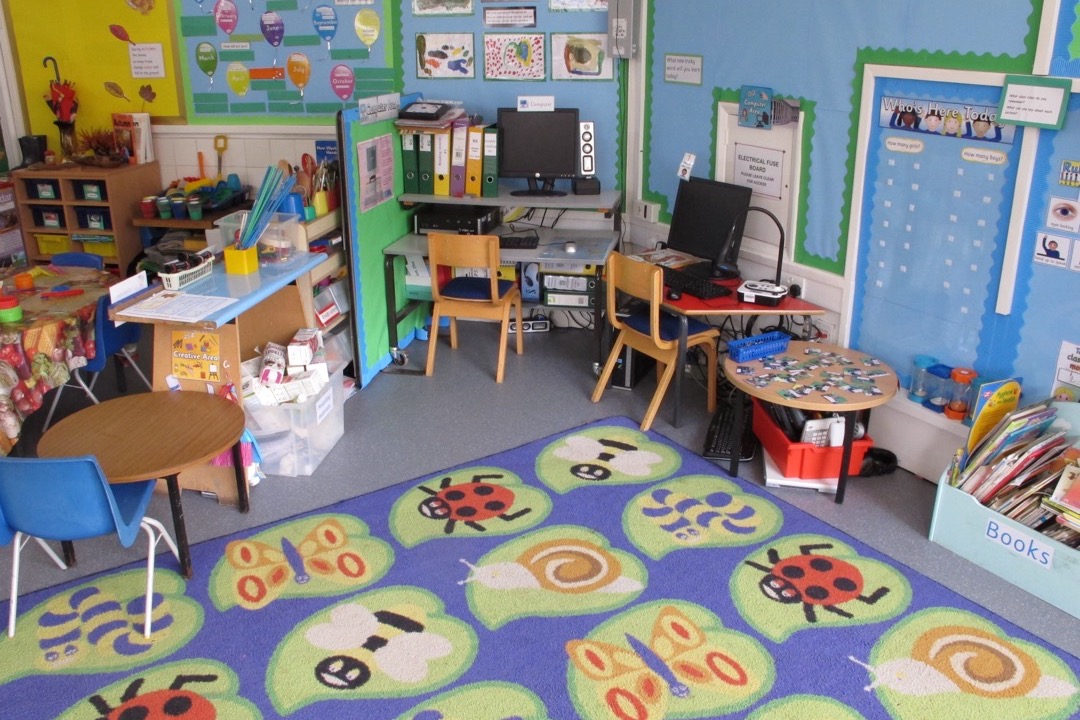
Every August, a version of the same scene plays out in schools across the country: a new teacher walks into an empty room, does the math on what it needs, and quietly panics at the total. The surveys back up the dread. Teachers spend somewhere between $500 and $900 of their own money on their classrooms in a typical year, first-year teachers building a room from scratch can spend up to $2,000, and the median stipend a school hands over is only around $200. Costs are moving the wrong way, too — school-supply prices rose about 7.3 percent for the 2025-26 year, roughly three times general inflation, with some tariff-affected categories up 12 to 15 percent.
Here is the reframe that changes everything: you will not close a $700 gap by finding cheaper glue sticks. Clearance shopping helps at the margins, but the teachers who set up a great room without draining their own bank accounts do something different — they treat classroom setup as a funding problem, not a shopping problem. They assemble money from four or five sources, spend it in a deliberate priority order, and buy against a calendar instead of a deadline.
This guide is the funding-and-spending playbook. It is the money companion to my complete teacher classroom setup guide, which covers the physical layout, the five-zone framework, and the setup-week timeline; here we are talking strictly about where the money comes from and how to make each dollar do the most work. If you manage a shared office supply budget too, the same procurement logic scales up in my office supply budget guide.
Start With Free Money: What to Ask Your School to Cover
The cheapest supplies are the ones you never buy because the building already provides them. New teachers consistently underestimate what their school covers, and the reason is simple: the money exists, but you have to ask for it through the right person, and nobody tells you who that is.
Before you spend anything, get a written answer to three questions:
- What is my supply budget or stipend, and how do I spend it? Many districts give each teacher a per-year allotment through a specific catalog or reimbursement process. It is often use-it-or-lose-it, so an unclaimed stipend is money you left on the table.
- What is already in the building supply room? Copy paper, whole-class consumables, cleaning supplies, chart paper, and basic furniture are frequently building-funded. The building secretary usually controls this closet and the ordering catalog.
- Is there a surplus or shared stash? Teachers who retire or transfer leave behind bins of usable materials. Your grade-level lead or the office often knows where it lives.
Then work the other free channels. Your PTA or PTO frequently has a classroom stipend or a “teacher wish list” fund that goes unclaimed every year because no one requests it. A short, specific email to the PTA president — “I’m the new second-grade teacher; is there a classroom fund I should know about?” — routinely turns up $100 to $300. A five-minute conversation in your first week saves most new teachers $200 to $400, because you stop buying things the school would have given you for free.
The Smart-Spend Priority Matrix
Once you know what you actually have to buy yourself, the question becomes what to buy first. As a certified administrative professional, the framework I use for any procurement decision is to sort spending by how long the item lasts and how central it is to daily function — not by what feels most exciting to buy (which is almost always decor).
Sort every purchase into one of three tiers:
Tier 1 — Durable infrastructure (spend real money here). Storage bins, drawer carts, a label maker, a laminator, book baskets, a good teacher planner. These run the room, they get reused for years, and buying quality once is cheaper than replacing junk annually. This is where a few extra dollars per item pays for itself many times over. Good storage and organization and a reliable label maker do more for a functional room than any amount of decoration, and a laminator turns paper you’d reprint every year into reusable materials.
Tier 2 — Working consumables (buy mid-tier, in bulk, on sale). The markers, glue sticks, colored pencils, and scissors students use daily. Here the bargain-basement multipack is often the more expensive choice per usable unit, because half of it dries out or breaks and you buy twice. A known mid-tier brand bought during a summer sale wins. For younger rooms, durable kid-safe markers survive far longer than dollar-store versions.
Tier 3 — Decor and filler (spend pennies and creativity). Borders, letters, themed sets, seasonal decorations. This tier depreciates to zero the moment the school year ends, so it should get the least money and the most DIY. A teacher planner is the one “Tier 3-adjacent” item worth paying for, because you use it every day — but the themed border set is not.
The mistake that wrecks budgets is inverting this matrix — spending the first and most enthusiastic dollars on a matching themed decor set, then running out of money before buying the storage that actually makes the room work. Fund the infrastructure first, always.
Crowdfunding and Grants: The Highest-Leverage Hour You’ll Spend
If you teach in a public school, DonorsChoose is the single best return on an evening of your time. You list the materials you need, donors (including large corporate and foundation partners) fund them, and the platform buys and ships everything directly to your school so you never touch the money.
The mechanics reward teachers who post smart projects:
- Keep your first project small and specific. Projects under about $200 fund at very high rates, and keeping the total under roughly $400 dramatically improves your odds. In 2024-25, partner matching helped fund around three-quarters of projects.
- Make it photogenic and personal. One clear need, a short compelling essay about your students, and a total a single corporate match or a handful of donors can knock out.
- Build credibility. Once you complete one funded project, your account earns trust and later, larger projects fund faster.
Layer other sources on top. AdoptAClassroom.org lets supporters fund a teacher’s account directly. Local and national grants — from education foundations, credit unions, and companies like Target’s field-trip grants or state-specific teacher grants — are worth an afternoon of searching in your first month. And a simple public wish list (many teachers keep an Amazon one) lets family, friends, and community members chip in without you asking directly.
Between the school, the PTA, DonorsChoose, and grants, most of a new classroom can be funded before you spend a cent of your own — which is the entire point.
Where to Buy: Cheap Sourcing Without the Junk
For what you do buy yourself, where you shop matters as much as when. Match the store to the tier.
- Dollar Tree and dollar stores are unbeatable for Tier 3: baskets, frames, borders, plastic letters, seasonal decor, cups, and craft filler. They are a trap for Tier 1 — a cracked bin is a false economy — so stay in the decor-and-filler lane here.
- Thrift stores, Buy Nothing groups, and Facebook Marketplace are how you get furniture, rugs, lamps, and books for near-nothing. A “teacher furniture” post in a local Buy Nothing group before August often produces a bookshelf or reading-nook chair for free.
- Teacher discount programs are the most underused money-saver of all. Show your school ID or register once, and you get standing discounts:
| Retailer | Teacher perk | Best for |
|---|---|---|
| Office Depot / OfficeMax | Teacher Rewards (bonus % back on qualifying purchases) | Paper, ink, folders, everyday supplies |
| Michaels | ~15% teacher/educator discount | Craft materials, poster board, frames |
| JOANN | Teacher/educator discount on most purchases | Fabric for bulletin boards and decor |
| Really Good Stuff | Frequent clearance + educator sales | Classroom-specific organization and decor |
| Barnes & Noble | Educator discount on books | Classroom library building |
Register for these before you shop, not after — the discount is worthless applied retroactively.
The Seasonal Buying Calendar
The biggest single lever on your total spend isn’t the brand — it’s the timing. Supply prices swing dramatically across the year, and buying against the calendar instead of against a panic deadline is what separates a $300 setup from a $900 one.
| Window | What’s cheap | Move |
|---|---|---|
| July–August | Back-to-school doorbusters on core supplies | Stockpile consumables for the whole year |
| January | Post-holiday clearance | Storage, organization, and decor at deep markdowns |
| May | Teacher Appreciation Week discounts | Cash in retailer freebies and educator deals |
| June–July | Store resets and end-of-year clearance | Grab next year’s Tier 1 durables cheap |
Keep a running note on your phone of everything you need but don’t need right now, and buy against these windows. The most expensive possible way to stock a classroom is to walk into a store the week before school and buy everything at full price because you waited. Plan the purchase, don’t impulse it.
Budgeting Beyond Decor: The Categories Everyone Forgets
Most “classroom on a budget” advice is really decorating on a budget — but decor is the smallest and least important slice of what a room costs. The categories that quietly add up are the functional ones, and they are where thoughtful spending returns the most.
- Consumables — the markers, glue, pencils, sticky notes, and paper that get used up and replaced all year. This is your largest recurring cost, so this is where bulk summer buying and mid-tier durability pay off most.
- Storage and organization — bins, carts, folders, and baskets. Buy these once, buy them well, reuse them for a decade.
- Technology accessories — cables, charging stations, adapters, and a presentation setup if your room isn’t equipped. These are easy DonorsChoose and grant targets.
If you want a category-by-category master list to make sure nothing slips through, my back-to-school supply checklist breaks the whole room down so you can check each item against your funding sources before you spend.
Don’t Forget the $300 You Get Back
Finally, keep every receipt. Eligible K-12 educators can deduct up to $300 of unreimbursed classroom expenses through the federal Educator Expense Deduction — an above-the-line deduction you can claim even without itemizing, covering books, supplies, and classroom technology. If you and a spouse are both eligible educators filing jointly, each can claim up to $300. The deduction is only as good as your documentation, so start a receipt folder (or a photographed digital archive) with your very first July purchase. It effectively refunds the last chunk of what you spent — but only if you can prove it. (This is general information, not tax advice; check with a tax professional about your situation.)
The Bottom Line
Setting up a classroom on a budget is not about finding the cheapest version of everything — it’s about assembling a funding stack and spending it in the right order. Start with the free money your school, PTA, and DonorsChoose will give you. Spend your own dollars on durable infrastructure first, working consumables second, and decor last and cheapest. Buy against the calendar, register for every teacher discount, and keep your receipts for the tax deduction at the end. Do that, and a room that looks and functions like it cost $900 can be built for a fraction of it — most of it not out of your pocket at all.
For the physical build itself — the layout, the zones, and the setup-week sequence — head to the complete teacher classroom setup guide next.
Frequently Asked Questions
How much do teachers really spend on their classroom each year?
What should I ask my school to provide before buying it myself?
Is DonorsChoose actually worth it for a new teacher?
What's the cheapest way to decorate a classroom?
Can I write off classroom supplies on my taxes?
Related Articles
How to Set Up a Classroom: A Complete Guide for New and Returning Teachers
classroom-supplies
7 Best Glue Sticks of 2026
classroom-supplies
Back to School Supply Checklist: A Grade-by-Grade Guide for Parents
classroom-supplies
7 Best Markers for Kids of 2026
classroom-supplies
8 Best Bulletin Boards of 2026
classroom-supplies
About the Reviewer

Sarah Chen, CAP, PMP
B.A. Business Administration, UCLA
Sarah Chen spent 10 years in office management and operations at Fortune 500 companies before founding DeskRated in 2026. After managing supply budgets for teams of 50+ people and testing thousands of products through daily use, she started writing the honest, no-fluff supply reviews that office professionals actually need. Sarah holds both CAP and PMP certifications and is based in Los Angeles.